

Let’s be honest — managing business travel without a proper system just doesn’t cut it anymore. Bookings get scattered across different platforms, employees forget to follow policies and expense management turns into a never-ending paper trail. It’s a constant struggle to keep everything in check, and one mistake can lead to unnecessary headaches and additional costs.
That’s where a travel management system (TMS) takes the stress out of the process. It helps centralise everything — flights, hotels, approvals, expenses — so you don’t have to juggle between multiple tools or chase employees for receipts.
So, before we get into the features or why it is a must-have for businesses today? Let’s first see what exactly a travel management system is.
A travel management system (TMS) is an online travel booking software that helps businesses plan, book and manage all of their corporate travel in one place. This one-stop system saves you the trouble of manually finding scattered emails, lost receipts, or out-of-policy bookings — everything is organised and automated for a smoother experience.
With a TMS, your employees can book trips while
Managers can approve requests instantly and finance teams can track expenses in real time. This helps cut down costs, saves time and makes travel hassle-free for every business. Whether your company handles occasional corporate travel or has a much more frequent stream of travel requests, a TMS ensures visibility in one workflow.
Rising costs, stricter compliance rules and the need for real-time tracking means companies can no longer afford to manage travel manually. Maintaining data in spreadsheets, sending emails for approvals and endless back-and-forth conversations only slow things down and increase the chances of costly mistakes.
In 2026, businesses need a smarter, more efficient, automated solution — and that’s exactly what a TMS provides. Let’s see its key features that help you streamline your travel operations.
This helps you set up a travel rule engine for your travel management software. Instead of sending employees a PDF policy and hoping they follow it, the TMS helps enforce the policy while they are booking.
So you can set things like:
The system guides them towards the right options as these rules work quietly in the background, eliminating the need to memorise them.
What if someone who should only be there for bookings, ends up editing policy settings, vendors or approval rules? A good TMS is built with defined roles so that everyone has access only to what they need.
for example,
This helps establish accountability and avoid data security risks.
Implementation of a Travel Management System brings everything under one dashboard. And while showing options, it highlights the compliant ones first, as out-of-policy options get flagged instantly with compliant alternatives.
So, Sales shares one itinerary link with the manager and finance instead of forwarding 6 emails of different booking sites for cabs, flights, hotels, etc.
If someone is booking something outside policy, the TMS should clearly show:
And if there is a genuine reason to book outside policy, the system should allow exceptions but with structure. That means:
So exceptions are possible with the reason captured and approval granted.
A TMS has to find a balance in its functionality between every small detail needing approval, which slows down the system and where there is no approval structure, which makes it difficult to establish accountability and monitor compliance.
You can do this by setting proper approval rules :
Also read: How Travel Sales Automation Helps Travel Agencies Boost Bookings [2026]
This is where the TMS becomes valuable for leadership and finance. A good travel management system helps you see travel spend clearly and control it before it gets out of hand.
It should help you answer the following questions:
Travel can be very unpredictable with flights getting delayed, bookings changing, and plans shifting. Hence, A good TMS supports travellers even after booking.
That includes:
In this way, you gain a system that is there for you when you don’t know what to do.
Now that you understand why travel management software is essential, the next step is choosing the right software for your business. With so many options available and a growing travel industry, it’s important to find the one that best fits your needs, integrates seamlessly with your current operations and enhances efficiency without adding complexity.
Here are the key factors to consider when selecting a TMS:
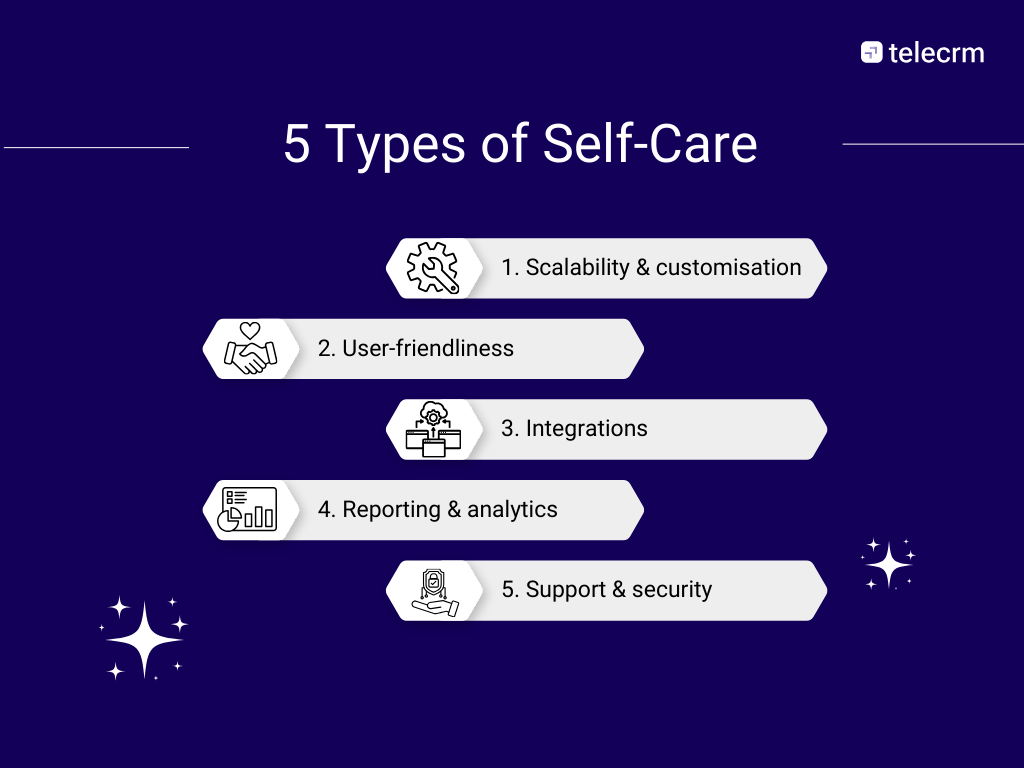
Your travel needs today may not be the same a year from now. Whether your company sends employees on occasional trips or has frequent corporate travel management, the TMS should be able to scale accordingly.
With a scalable and flexible TMS, you can ensure that your travel management remains smooth and efficient as your business grows.
A complex or difficult-to-use system will lead to frustration and low adoption rates.
A user-friendly TMS ensures that everyone—from employees to finance teams—can use it effortlessly, saving time and reducing errors.
A TMS should seamlessly connect with the tools your company already use, so you don’t have to switch between platforms manually.
Integration with accounting software, HR & payroll systems and major booking platforms like airlines, hotels, and car rentals. You can also look for travel essentials like mobile access, notifications, and itinerary consolidation.
A well-integrated TMS ensures that all travel-related data flows smoothly across different departments.
Also read: The Ultimate Guide to Accounting Software for Travel Agency
Your TMS should do more than just process bookings — it should give real-time visibility into travel spending and trends with real-time dashboards, detailed reports and forecasting tools to optimise travel budgets
With insights that are accurate and quick, you can make smarter financial decisions and continually refine your travel policies for better efficiency.
Also read our blog on: Travel Sales Metrics
A TMS handles sensitive company data, employee information and financial records, so security and support should be top priorities.
You should look for strong data protection measures (encryption, secure access, GDPR compliance) and 24/7 customer support available in case of any travel issues or system failures?
A secure and well-supported TMS gives businesses peace of mind, knowing their data is safe and help is available whenever needed.
Also Read: Travel Agency Operations Management
Now that we have a detailed breakdown of what a TMS is and why we need one, let’s talk about some common travel tools (with examples) available to you today.
1. CRM- based travel tracking: If you are looking fora systemthat basically involves keeping requests, approvals and follow-ups organised, you can use a CRM workflow to manage it. For example,telecrm.
2.All-in-one corporate travel platforms: These arebuilt for booking, policy controls, approvals and reporting all in one place. For example, Navan.
3. Agent-assisted booking services: For teams that still want human travel experts to handle bookings, changes and support, like Flightfox.
4.Expense-first suites with travel modules: If finance-led spend control is your top priority, these tools start with expenses and approvals first, then add travel on top. Spendesk is a common example here.
Also Read: 12 Best CRM Tools for Managing Corporate Travel
Now that you have a clear understanding of what a TMS is and how it helps your business. You should immediately start looking for one, because why not? It saves money and time, ensures compliance and gives you full control over your company’s travel operations.
If you are looking for a TMS and want to see how it can transform your travel business? Let me give you a suggestion of starting with telecrm (India’s best travel CRM), book a demo and experience first hand how it can make your business travel more streamlined and efficient.



© Copyright 2026 telecrm.in - All Rights Reserved • Privacy Policy • T&C



© Copyright 2025 Telecrm.in - All Rights Reserved • Privacy Policy • T&C