

Every year, a new wave of marketing trends promises overnight success. One week it’s influencer posts, the next is viral reels or the latest SEO hack everyone swears by. With so many trends constantly popping up, it’s easy to feel like the basics no longer matter.
But here’s the interesting part. When you study how truly successful brands think, you’ll notice that behind every modern tactic sits the same old foundation. No matter how fancy the platform or how advanced the tool, every marketing decision still comes back to one simple framework: the 4 Ps of marketing.
It is also known as the marketing mix, which provides a simple structure for understanding how a business takes a product from concept to customer. Even in the present scenario, the marketing mix helps marketers to stay focused on what matters. Understanding the 4 Ps is the first step toward successfully marketing any product or service.
This blog will take you through the essentials:
Let’s start by understanding what the marketing mix really is and why it remains the foundation of every strategy.
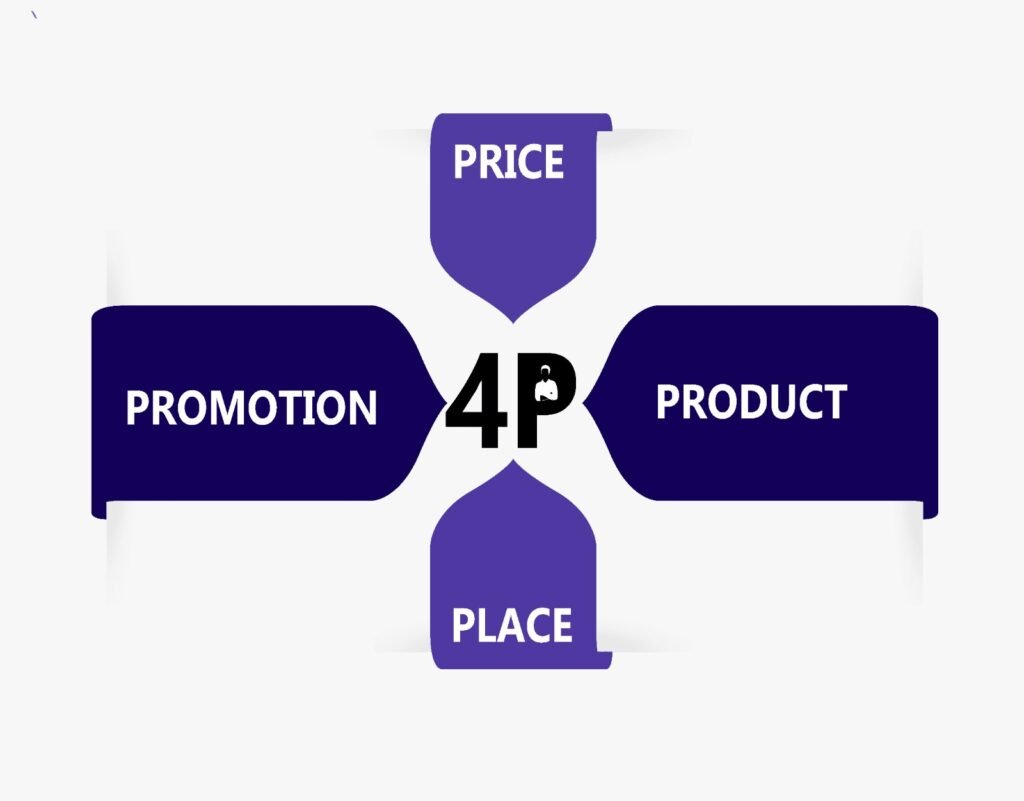
The marketing mix is a combination of controllable elements — product, price, place and promotion that a business uses to deliver value to its target audience. The term originates from the concept that marketing is not a single action, but rather a combination of elements that work together to influence how people perceive a product.
The concept was first introduced in the 1950s, when marketing scholar Neil Borden described marketing as a “mix” of different ingredients that managers could control to influence demand. Later, in 1960, E. Jerome McCarthy simplified this idea into the four clear categories we now know as the 4 Ps of marketing. This framework helped businesses move away from intuition-based decisions and adopt a more structured, managerial approach to marketing.
As this approach gained wider acceptance, it gave marketers a clearer framework to organise their decisions as now they know who they were trying to reach, their target market and target audience and how to reach them effectively.
Many marketing problems arise simply because businesses are unsure about who they are speaking to. The marketing mix solves this by helping marketers ask the right questions, such as:
The marketing mix becomes even more helpful when you think about how crowded markets have become today. People discover brands through online platforms, retail stores, targeted ads, social media campaigns and recommendations. With numerous possible touchpoints, a brand needs to maintain consistency. This is where the four Ps play a significant role. They help you structure your decisions so that every part of your marketing feels aligned.
With this foundation in place, let’s start exploring the four Ps in detail, beginning with the first and most important one: product.

Within the marketing concept, a product is anything that satisfies a need. It includes functionality, design, user journey and the after-sales support that follows.
A product is not just a list of features. It includes customer experience, service quality, packaging, delivery, support and even the emotions people associate with it. When these elements align, businesses create successful products that fit customer expectations and the needs of their target market. If the product falls short, promotional efforts and pricing strategies lose their impact. That is why the product stands at the centre of the overall marketing mix.
Businesses must also keep in mind that markets are constantly evolving. What works today may not work tomorrow. As new technologies emerge and customer expectations evolve, companies refine their products to remain relevant. And this is precisely why understanding customer expectations should be the starting point for every product decision.
Understanding customer expectations and needs
Every marketing plan begins with understanding customer expectations. Before promoting or pricing anything, brands must know what their target market values. People often look for convenience, speed, reliability, affordability or unique features. When a product aligns with these needs, the buying decision becomes easier.
Market research helps you uncover these patterns. It shows how people behave on online platforms, what they say in reviews, how they compare different products and what they expect from a brand. These insights shape product decisions and guide your key marketing objectives.
If you want to apply this yourself, start small:
• Read customer reviews of similar products
• Ask people what they like or dislike about current options
• Notice what influences their final choice
The more clearly you understand your target consumer, the easier it becomes to position your product in a way that actually resonates. And because customer expectations change over time, brands must keep adjusting their offerings to stay competitive.
Product life cycle and competition
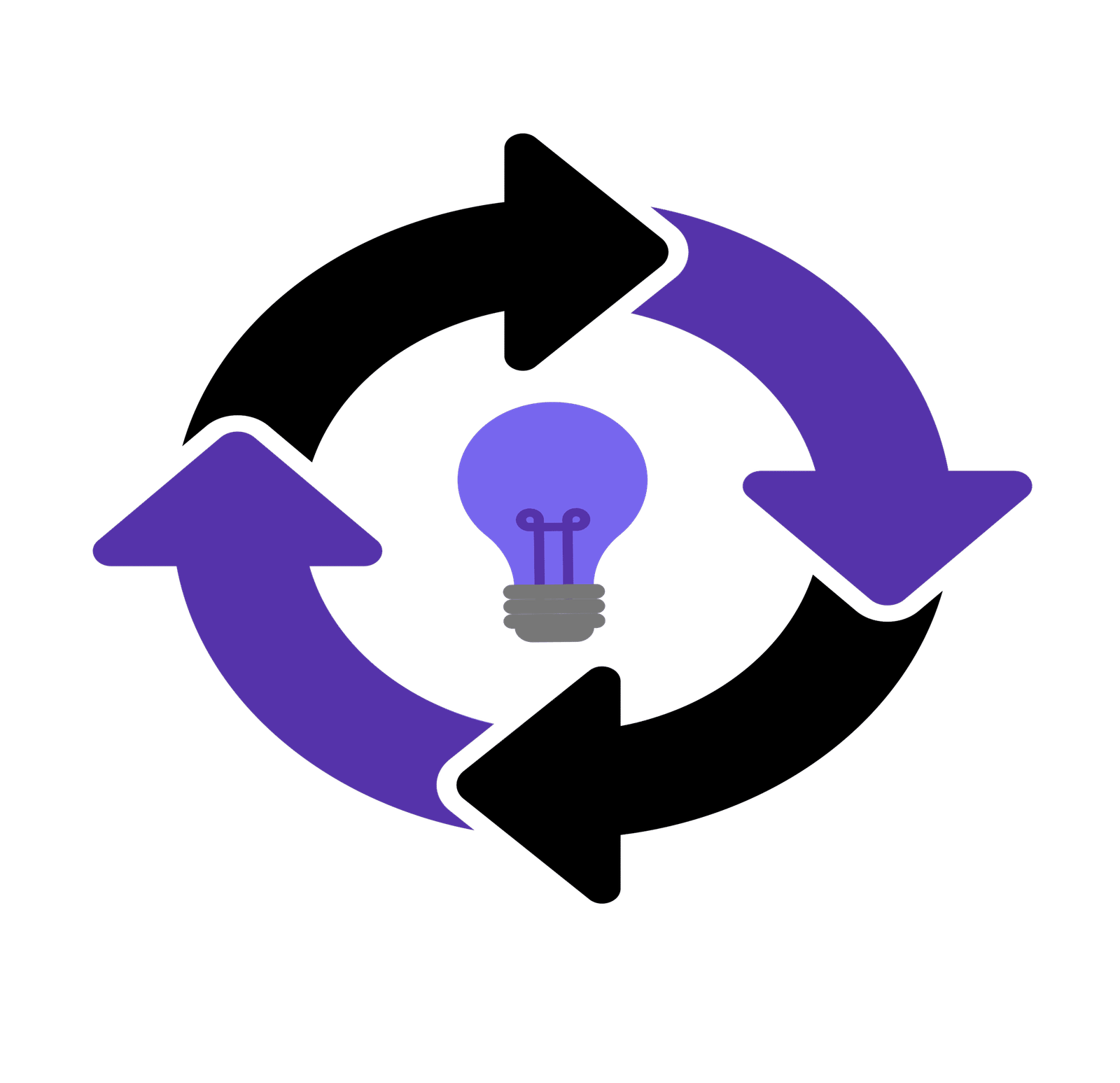
Every product goes through a life cycle: introduction, growth, maturity and decline. Knowing which stage the product is in helps marketers plan their next steps. During the introduction, the focus goes into awareness. In growth, businesses expand distribution channels. At maturity, differentiation becomes essential. In decline, companies evaluate whether to reinvent, reposition or replace the product.
Competition is an unavoidable part of the marketing strategy. Before choosing a brand, people compare features, quality and perceived value. A competitor’s product can significantly influence purchasing decisions, especially when the market offers numerous similar options. This is why continuous improvement is essential.
Brands that closely monitor their competitors and continually refine their offerings tend to stay ahead for a longer period. They understand that the life cycle is not just a theory but a tool to predict challenges and opportunities.
Creating perceived value
Perceived value is one of the most powerful ideas in the four Ps of marketing. It describes how valuable people perceive the product to be, regardless of its actual production cost. This perception determines whether the customer pays a premium price or switches to an alternative option.
Businesses build perceived value through quality, design, branding, communication and overall customer experience. Even small details, such as packaging, onboarding, speed of service delivery and after-sales service, influence perception. When all these elements come together, they create trust, which serves as the foundation for long-term customer engagement and retention.
Price is the second element of the 4 Ps of marketing, and it plays a bigger role in customer decisions than most people realise. While the product shapes people’s perceptions, the price ultimately determines the final decision. When marketers discuss price, they are not only referring to the number printed on a tag or displayed on a website. Price refers to the complete value exchange between the brand and the buyer. It includes:
People even choose a slightly higher-priced option if it provides them with better trust, reliability or a better customer experience.
In simple terms, price reflects what the customer thinks the product is worth. It becomes an important signal that influences whether someone buys immediately, waits for an offer or looks for alternatives. This is exactly why brands use structured pricing strategies.
Brands employ pricing strategies to position themselves in the market and target the ideal audience. These strategies help decide how much people are willing to pay and how the product compares to other options available to them. A well-chosen pricing model supports the overall marketing strategy and effectively communicates the value the brand wants to convey.
Some commonly used pricing strategies include:
Each strategy plays a distinct role, and businesses select the one that best supports their marketing objectives, audience expectations, and long-term positioning. Understanding these strategies also requires a clear understanding of the costs associated with the product.
Behind every price tag lies a real financial decision. Businesses must consider supply costs, production costs, packaging, distribution expenses and marketing efforts before finalising the price. If these costs rise, the pricing must adjust to maintain a stable profit margin.
However, the goal is always to strike a balance. The price should cover internal costs while still feeling reasonable to the target market. A well-planned pricing strategy supports long-term growth and helps the brand build lasting relationships with customers.
Pricing is not just a financial decision; it’s a strategic one. It is a marketing strategy that shapes perception, fosters trust and ultimately influences the product’s overall success.
Place is the third element of the 4Ps of marketing, which decides how your product actually reaches the customer and how easily they can access it.
It focuses on availability, convenience and access, ensuring the product reaches customers at the right place and the right time. Place includes every touchpoint where the customer interacts with your product, such as:
• Retail stores or physical locations
• E-commerce platforms and mobile apps
• Social media shops and online platforms
• Marketplaces like Amazon, Flipkart, Myntra, AJio etc
• Sales agents, distributors or franchise networks
• Direct WhatsApp or call-based buying for service businesses. Telemarketing enables direct conversations that clarify doubts and move customers closer to a decision.
The goal is always the same: to make buying easy and convenient for your target audience. And the first step toward that is selecting the right distribution channels.
Choosing the right distribution channel depends on three key factors: your product, your target market and how your audience prefers to shop. Here are a few examples:
• A coaching institute might rely on online platforms and walk-in enquiries
• A clothing brand may sell through retail stores and Instagram shops
• A SaaS tool distributes itself through its website and targeted digital marketing
• A mobile phone brand uses retail chains plus e-commerce platforms
• A home bakery may sell via WhatsApp, local delivery apps and Instagram
Each channel shapes convenience, delivery speed and the overall customer experience. That’s why brands choose their distribution strategy carefully. Let’s move forward to the availability section.
People rarely make a purchase in a single, straight line anymore. They move between online and offline touchpoints before making a decision. For example:
• Someone compares prices online but buys in a physical store.
• A student checks course reviews on YouTube and then visits the institute.
• A customer discovers a brand through digital marketing but completes the purchase on an e-commerce site.
• A parent sees a billboard, then looks up the brand on Google before calling for details.
This blend of digital research and physical experience influences how customers perceive your brand. A strong ‘place’ strategy ensures that buying is simple, service delivery is smooth and after-sales support feels effortless.
Promotion is the fourth element in the 4 Ps of marketing, focusing on how people discover, understand and feel connected to a product or service.
Promotion refers to the set of activities that communicate the value of the product to the target market. This includes paid ads, free content, social posts, personal selling, public relations and more. Promotion helps people understand what the product does, why it matters and how it solves a problem. When done well, promotion builds trust and forms a connection between the brand and its audience.
It includes the marketing objectives a brand uses to share its message, create awareness, build customer engagement, strengthen brand image, generate interest and encourage action. Whether a business is launching a new product or trying to scale, promotion remains an essential part of its marketing strategy.
With numerous channels available, choosing the right promotional strategy becomes the primary challenge.
Brands employ various promotional strategies tailored to their specific goals, budget and target audience. Each method plays a unique role in influencing customer decisions.
All these strategies come together to create a promotional plan that supports the overall marketing mix. Once these strategies are in place, the next step is understanding how well they are performing.
Every brand invests time and money into promotional efforts, so measuring success becomes essential. Key performance indicators help marketers understand what is working and what needs improvement.
Some common KPIs include:
Tools like Google Analytics, Google Ads and CRM dashboards help track these numbers clearly. With data in hand, businesses refine their promotional strategies and make more informed decisions over time.
Modern promotion is no longer about just posting content or running ads. It requires consistency, timing and personalisation across multiple channels. In today’s fast-running world, we need to keep up with the pace. For that, we need a CRM, i.e., customer relationship management. This is where CRM tools strengthen the promotional strategy by helping businesses stay connected with their audience.
telecrm is a simple, India-focused CRM built for teams that rely heavily on calling and WhatsApp. It helps businesses manage leads, automate communication and maintain clear engagement at scale — all from one system. Here’s how telecrm supports promotion:
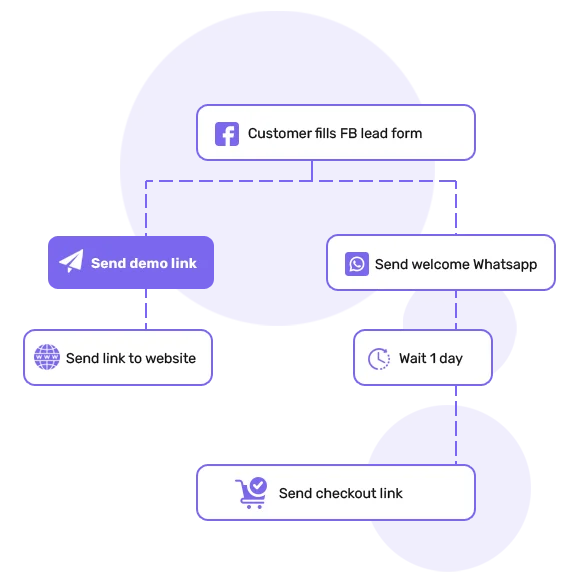
Businesses can nurture leads through automated WhatsApp marketing sequences. People receive timely updates, reminders and relevant information without manual effort, making promotional efforts more consistent.
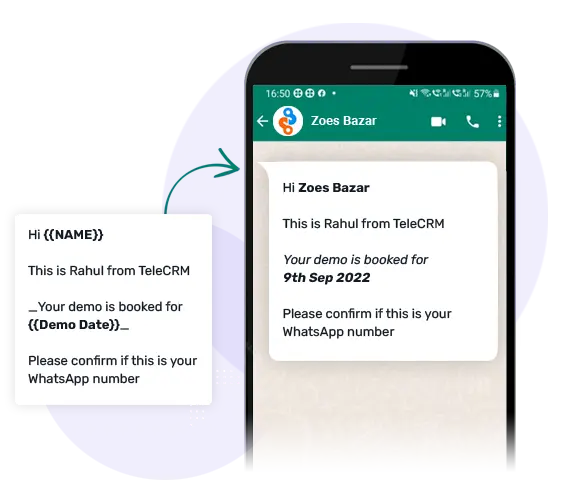
Clear and relevant messaging enhances customer engagement by ensuring that people receive information that truly matters to them. telecrm’s ready-to-use templates help teams respond faster, maintain a consistent tone across conversations and personalise messages with their names based on the customer’s stage in the journey, all while still sounding natural and conversational.
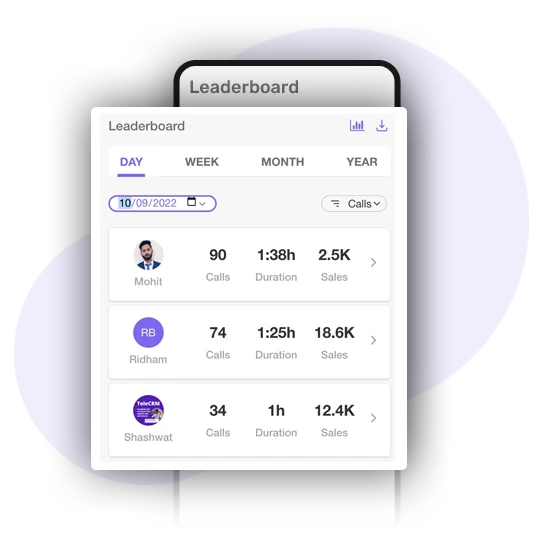
Effective promotion requires tracking what’s working. telecrm offers detailed analytics on message activity, open rates, follow-up responses and customer behaviour trends. This helps teams refine their promotional strategy and invest in the channels that deliver the best results.
These features make it easier for businesses to maintain promotional momentum, build trust and improve the overall customer journey.
As businesses shifted from selling only physical products to offering more services, the traditional 4 Ps of marketing were no longer enough. Services depend heavily on people, processes and the overall experience, which the original marketing mix could not fully capture.
This gap became more visible as customer experience, service quality and consistency started influencing buying decisions just as much as the product itself. To address these factors and explain how services are delivered and experienced, marketers introduced the extended marketing mix, known as the 7 Ps.
The idea is simple. The 4 Ps explain how products move from a company to the customer. The 7 Ps help explain how services are delivered and how customers experience them. Let’s explore what the additional Ps mean :
People
This refers to everyone involved in serving the customer. Their communication skills, attitude, professionalism and responsiveness shape how customers feel. For many service businesses, people become the face of the brand.
Process
The process encompasses all the steps a customer goes through, from the initial interaction to the final delivery. Smooth processes reduce confusion and improve customer experience. Slow or complicated processes often discourage people from returning.
Pro Tip:
To keep track of the full customer journey, map every interaction, i.e., enquiries, follow-ups, demos, purchases and support. Using a simple CRM dashboard helps you identify gaps early, respond more quickly and maintain a consistent experience across all touchpoints.
Physical evidence
Although services are intangible, customers still look for visible cues that make them feel confident. Physical evidence includes ambience, cleanliness, branding, signage, packaging, uniforms and even a user-friendly interface. These cues build trust and reassure customers about the quality of the service.
The 4 Ps work well when the product is tangible. Electronics, packaged goods or clothing fit into this category.
The 7 Ps make more sense for service-based businesses where people, process and physical evidence influence the outcome. Coaching centres, hospitals, salons, software companies and training institutes depend heavily on customer experience.
Both models guide decision-making, but the choice depends on what the business offers and how customers interact with it. To understand how the 4 Ps apply in the real world, let’s explore a case study.
Zomato is a familiar example of how the 4 Ps work together in a highly competitive, service-driven market. Its success is not built on one tactic but on how product, price, place and promotion are aligned.
Zomato’s product is not just food delivery. It includes restaurant discovery, menus, reviews, ratings, live order tracking and customer support. By constantly improving app usability and adding features like quick reorders and personalised recommendations, Zomato enhances the overall customer experience.
Pricing on Zomato balances affordability and value. Customers see multiple pricing elements such as delivery fees, surge charges and discounts. Subscription plans such as Zomato Gold further enhance perceived value by offering savings on frequent orders.
Zomato’s place strategy is entirely digital. The app and website serve as the primary distribution channels, making food accessible at any time and from anywhere. Strong partnerships with local restaurants ensure wide availability across cities and neighbourhoods.
Zomato’s promotion relies heavily on digital marketing, push notifications, email marketing and social media campaigns. Their witty notifications and timely offers keep users engaged, encouraging repeat orders and strengthening customer retention.
Zomato’s marketing success comes from aligning all four Ps. A feature-rich product, value-driven pricing, seamless digital access and consistent promotion work together to create a smooth customer journey. This alignment enables Zomato to stay relevant in a crowded market where customer expectations are constantly evolving.
The 4 Ps of marketing remain a simple and reliable framework for understanding how a product reaches its target audience. When product, price, place and promotion work together, the strategy stays clear and consistent. The product fits customer needs, the price reflects value, the place makes it accessible and the promotion helps shape consumer perception across different marketing channels.
This framework remains effective today because it focuses on fundamental marketing principles. It helps you think about your target audience, plan how they will discover the product and decide whether they prefer a physical location, an e-commerce experience or a mix of both. Even as digital marketing grows and physical elements become less visible, the structure of the 4 Ps continues to guide strong decisions.



© Copyright 2026 telecrm.in - All Rights Reserved • Privacy Policy • T&C



© Copyright 2025 Telecrm.in - All Rights Reserved • Privacy Policy • T&C