
A marketing automation tool helps businesses automate repetitive marketing tasks like lead capture, follow-ups, WhatsApp messages, email campaigns, audience segmentation and customer journeys.
Instead of manually sending every message or tracking every lead on spreadsheets, marketing automation tools use triggers, workflows and customer behaviour to send the right message at the right time.
For growing businesses, this matters because leads do not wait. A delayed reply, missed follow-up or generic message can easily turn into a lost opportunity.
The right marketing automation tool helps your team respond faster, nurture leads better, track campaign performance and keep every customer interaction organised.
But not every tool is built for every business. Some are made for large marketing teams, some focus only on email and some become expensive as your contact list grows.
In this blog, we will break down what a marketing automation tool is, how it works, key features to look for and how to choose the right one for your business.
Marketing automation is a software that uses triggers, conditions and actions to automate repetitive marketing tasks- without someone manually pressing send every single time.
Think of it like this- every time a customer does something, for example, visits your pricing page, fills out a form, abandons their cart or opens an email, the marketing automation system notices, evaluates what to do next and fires a response. With automation, all of this gets done, without anyone on your team lifting a finger.
Every automation workflow has three core parts:-
The real power is in chaining these together. One action triggers the next workflow, which triggers another and so on. This creates a continuous, complex customer journey that no human team could replicate manually at scale.
For example
This entire journey runs automatically, every time, for every lead.
That said, marketing automation is often confused with simple email marketing or with a complete CRM system, which neither of them is
the same. Email marketing is one channel; a CRM system, on the other hand, is primarily focused on storing customer data, managing sales pipelines and helping sales teams track interactions throughout the sales process.
Whereas marketing automation is the system that orchestrates cross-channel campaigns across email, SMS, WhatsApp, push notifications and even ads based on real-time customer behaviour.
Not every platform is built the same way which is why it’s important to know what features actually separate a good automation software from a great one. Here’s some features you should look out for:
A drag-and-drop interface with no heavy code that lets you build multi-branch logic without relying on technical teams. So that you don’t need an engineer’s help every time you edit a workflow, making the platform work with you in your ways.
The best marketing automation platforms also include a visual workflow builder that allows marketing and sales teams to map entire customer journeys visually.
To be able to automate the three biggest channels for interaction. Any tool that’s missing WhatsApp integration in particular leaves a big gap for teams operating in markets where WhatsApp is the primary business communication channel.
The ability to group contacts not just by demographics but by actual behaviour. Things like page visits, purchase history, engagement level, lifecycle stage. The more detailed your segments, the more personalised the customer journeys.
This is what allows marketing automation software to deliver personalised campaigns with relevant content instead of generic broadcasts.
Automatic point-based qualification that guides sales teams toward the most qualified leads, on who to call first. A contact that visited your pricing page twice and has opened your emails is far more relevant than someone who signed up on your page three months ago and has been silent ever since.
A visual view of every touchpoint: from a new contact’s first awareness stage, to becoming a repeat buyer. This helps you identify where contacts are dropping off and where automation can re-engage them.
In 2026, features like individual send-time optimisation, predictive content recommendations, dynamic audience segments and AI-generated copy are becoming standard across leading marketing automation tools rather than premium extras.
Should be able to perform a two-way sync between your marketing platform and your CRM so that sales and marketing share a cohesive view for every contact. Native CRM integration also ensures CRM data flows seamlessly between marketing and sales teams.
What matters is not just open and click rates, but also revenue attribution. Your team should be able to see exactly which workflows are driving sales and which marketing strategies are failing. Good reporting saves you from repeated mental analysis and tells you right where there’s a need for optimisation.
The ability to run coordinated campaigns across multiple channels from one platform. A customer who opens an email, then a WhatsApp follow-up and then an SMS reminder too is far more likely to convert than one who keeps getting contacted on a single channel.
Strong marketing automation platforms should support cross-channel campaigns across multiple channels from a single marketing platform.
An inventory with pre-built workflows and campaign templates matters enormously for marketing teams that don’t have a dedicated marketing operations resource. A powerful marketing automation platform you can’t actually use is just expensive software collecting dust.
A platform with features that grow with you. Building everything on a platform and then having to migrate it because you’ve outgrown it is far from ideal.
In 2026, automation has gone a step further. AI has moved the category of marketing automation workflows from simple if/then logic to genuine system-level decision-making.
Modern platforms now predict which leads will convert, optimise send times per individual contact, generate email copy and dynamically update audience segments in real time as behaviour changes.
The platforms that were built around static rules five years ago are rapidly being outpaced by the platforms now being built around intelligence.
Now that you know what marketing automation can do, the next question is: which platform fits your workflow?
We compared the tools below on five factors: automation depth, channel coverage, CRM and data integration, reporting, and fit by business size and use case. “Best for” labels describe fit for a specific workflow, not an overall ranking.
Tool | Category | Best For | Key Feature | Starting Price |
telecrm | Best all-in-one marketing automation platforms | Sales-driven teams, MSMEs, real estate, edtech and insurance businesses | Lead capture from 30+ sources + WhatsApp automation + auto-dialer | ₹799/user/month |
HubSpot | Best all-in-one marketing automation platforms | Mid-to-large B2B businesses | Unified CRM, email marketing, landing pages and automation workflows | $7/user/month |
Adobe Marketo Engage | Best all-in-one marketing automation platforms | Enterprise B2B demand generation teams | Advanced lead scoring and account-based marketing | Custom pricing |
Brevo | Best all-in-one marketing automation platforms | Budget-conscious SMBs | Email, SMS, WhatsApp and live chat automation | ₹562.50/user/month |
ActiveCampaign | Best for advanced automation and behavioural workflows | SMBs needing complex automation logic | Visual workflow builder with 135+ triggers | $15/month |
Customer.io | Best for advanced automation and behavioural workflows | SaaS and product-led companies | Event-driven behavioural messaging | $100/user/month |
Braze | Best for advanced automation and behavioural workflows | Large B2C brands and mobile apps | AI-powered channel optimisation | Custom pricing |
Iterable | Best for advanced automation and behavioural workflows | Data-rich B2C organisations | Deep CDP and data warehouse integrations | Custom pricing |
Omnisend | Best marketing automation platforms for ecommerce | Shopify and WooCommerce stores | Pre-built ecommerce automation workflows | $11.20/user/month |
Klaviyo | Best marketing automation platforms for ecommerce | DTC and Shopify-native brands | Predictive analytics and revenue attribution | $45/month |
Drip | Best marketing automation platforms for ecommerce | Mid-size DTC ecommerce brands | Deep behavioural customer profiles | Custom pricing |
Salesforce – Salesforce Marketing Cloud | Salesforce – Salesforce Marketing Cloud | Enterprises using Salesforce ecosystem | Journey Builder with real-time CRM sync | $25/user/month |
SAP – SAP Engagement Cloud | Best enterprise marketing automation platforms | Retail, FMCG and hospitality enterprises | AI-powered omnichannel personalisation | Custom pricing |
Mailchimp | Best beginner-friendly marketing automation tools | Small businesses and startups | Beginner-friendly email automation | ₹385/month |
GetResponse | Best beginner-friendly marketing automation tools | Coaches, consultants and SMBs | Built-in webinar platform | ₹1501.57/user/month |
Picflow | Streamline review process for content creation | Creative agencies, design studios, contet creators | Organise all your creatives in one place | $12/month |
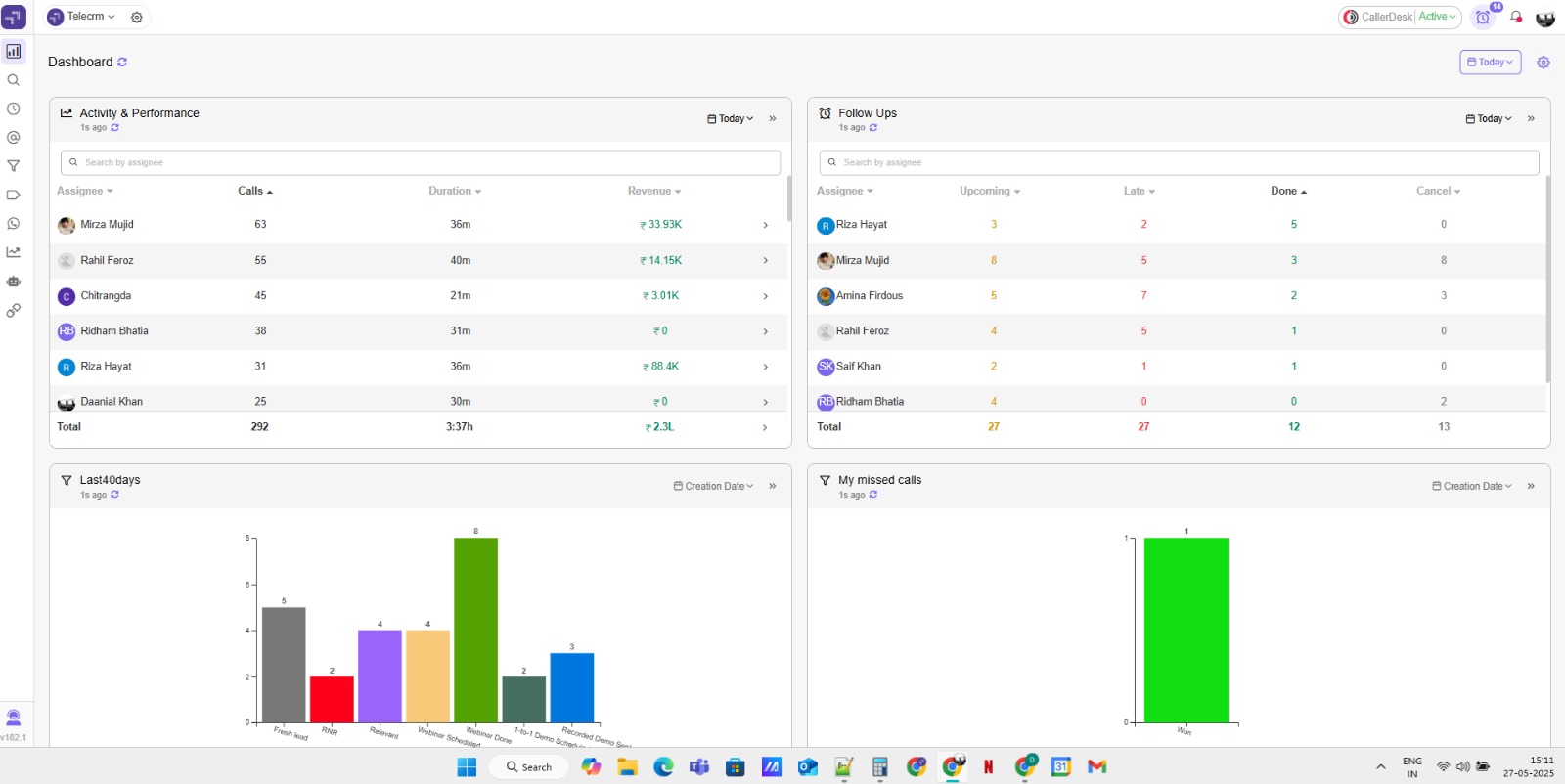
telecrm is a CRM built for Indian SMBs that manage sales, marketing and customer communication through calls, WhatsApp and regular follow-ups. It helps businesses capture leads from multiple sources, assign them to the right team members, track every call and conversation, automate follow-up reminders and monitor campaign performance from one place.
Unlike marketing automation tools that focus mainly on email campaigns or large-scale marketing workflows, telecrm works as a CRM first. It gives sales and marketing teams a clear system to manage leads, respond faster, track customer interactions and move prospects through the pipeline without depending on spreadsheets, personal phones or manual updates.
Best for:
Sales-driven teams, MSMEs, real estate businesses, edtech companies, insurance teams and any organisation that combines high-volume telecalling with digital marketing campaigns. Also strong for marketing teams running lead generation across multiple paid channels, who need everything to flow into one system automatically.
Limitations:
Primarily optimised for telecalling and direct sales workflows, so teams looking for advanced email marketing design tools or deep e-commerce integrations will find it less suited to those specific use cases.
Pricing:
Check for detailed pricing here.
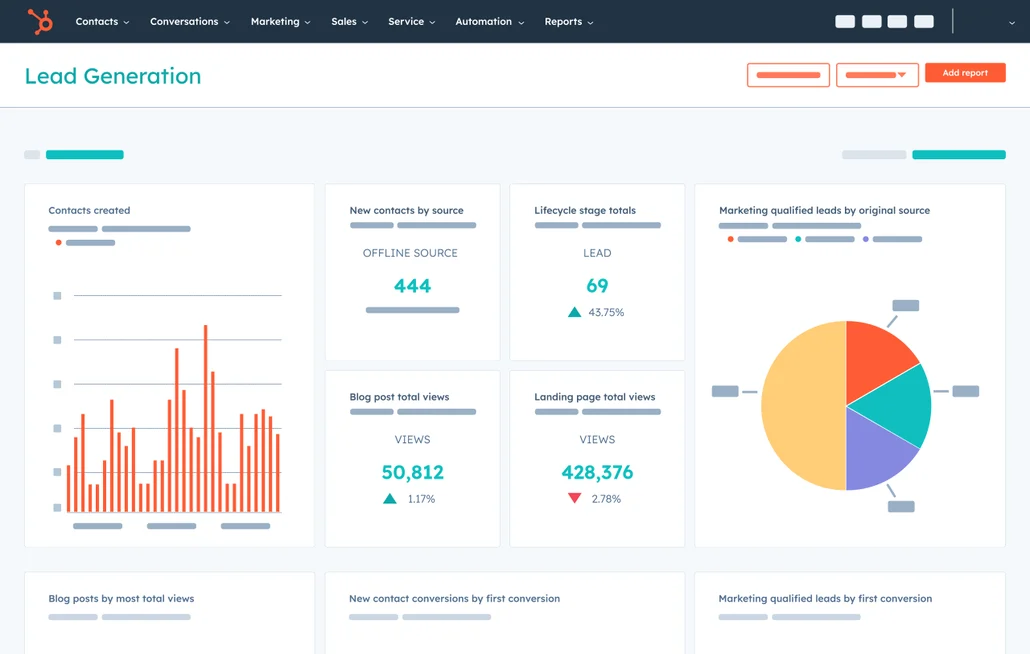
HubSpot remains one of the best marketing automation software options for businesses wanting an all-in-one marketing tech stack. It combines CRM, email marketing, automation workflows, social media scheduling, SEO tools, landing pages and sales pipeline management into one interconnected platform. For growing businesses that want all their marketing and sales data in one place, HubSpot is hard to beat on breadth.
The marketing automation platform’s strength is its ecosystem. When marketing, sales and customer service all live in the same tool, every team member sees the same customer data and CRM data. A sales rep can see every automated email a lead received before they picked up the phone. That context changes conversations.
That said, there’s an important caveat that catches a lot of buyers off guard: the features that make HubSpot genuinely powerful- visual workflow automation, A/B testing, lead scoring, custom reporting, advanced segmentation are almost entirely locked behind the Professional tier. And Professional starts at $800 per month, with additional mandatory onboarding fee in year one. The gap between the Starter plan and Professional is one of the steepest in the industry.
Best for:
Mid-to-large businesses that want a unified marketing, sales and CRM ecosystem and have the budget to match. Also strong for B2B teams that need deep contact tracking, account-based marketing and a platform their entire revenue team can use.
Limitations:
Real automation is gated behind the Professional tier, and its pricing scales steeply as your contact list grows. Annual contracts are required for most plans. Free and Starter tiers are heavily restricted and can create a misleading first impression of the platform’s actual capabilities.
Pricing:
Check detailed Pricing here.
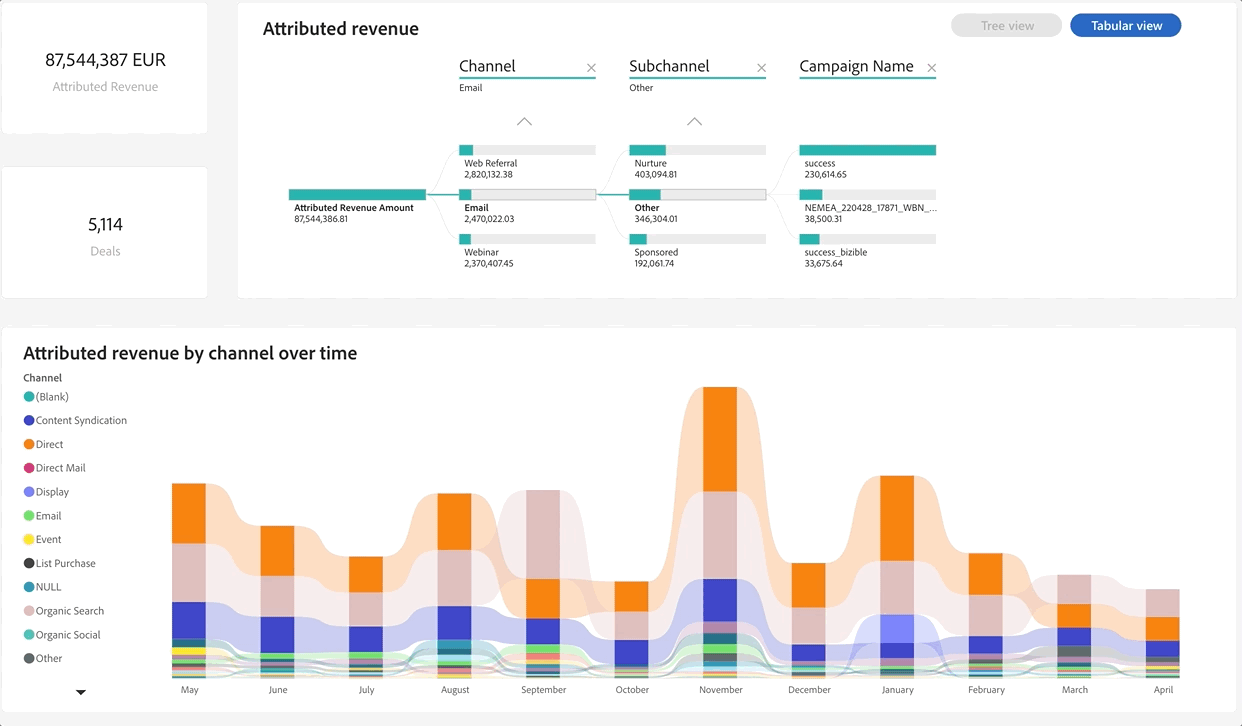
Adobe Marketo Engage is the gold standard for B2B enterprise marketing automation. It’s the platform of choice for large organisations with complex, multi-touch demand generation programmes, long sales cycles and dedicated marketing operations teams.
Marketo’s strengths are in lead management at scale: sophisticated lead scoring models, multi-stage nurture programmes, account-based marketing, deep Salesforce CRM integration and behavioural tracking across the entire customer journey. For enterprise B2B teams managing thousands of accounts across multiple regions and product lines, few platforms come close.
The trade-off is everything else. Marketo has a steep learning curve, an interface that’s showing its age compared to newer platforms and almost always requires a dedicated Marketo admin or an implementation partner to get full value from. It’s not a tool you configure over a weekend.
Best for:
Large B2B enterprises with dedicated marketing operations resources, complex multi-channel demand generation programmes and existing investment in the Adobe or Salesforce ecosystems.
Limitations:
Requires dedicated administrators and significant technical expertise. Steep learning curve. Older interface compared to competitors. Implementation partner is often necessary. Not suited for SMBs or teams without a marketing ops function.
Pricing:
Check detailed Pricing here.
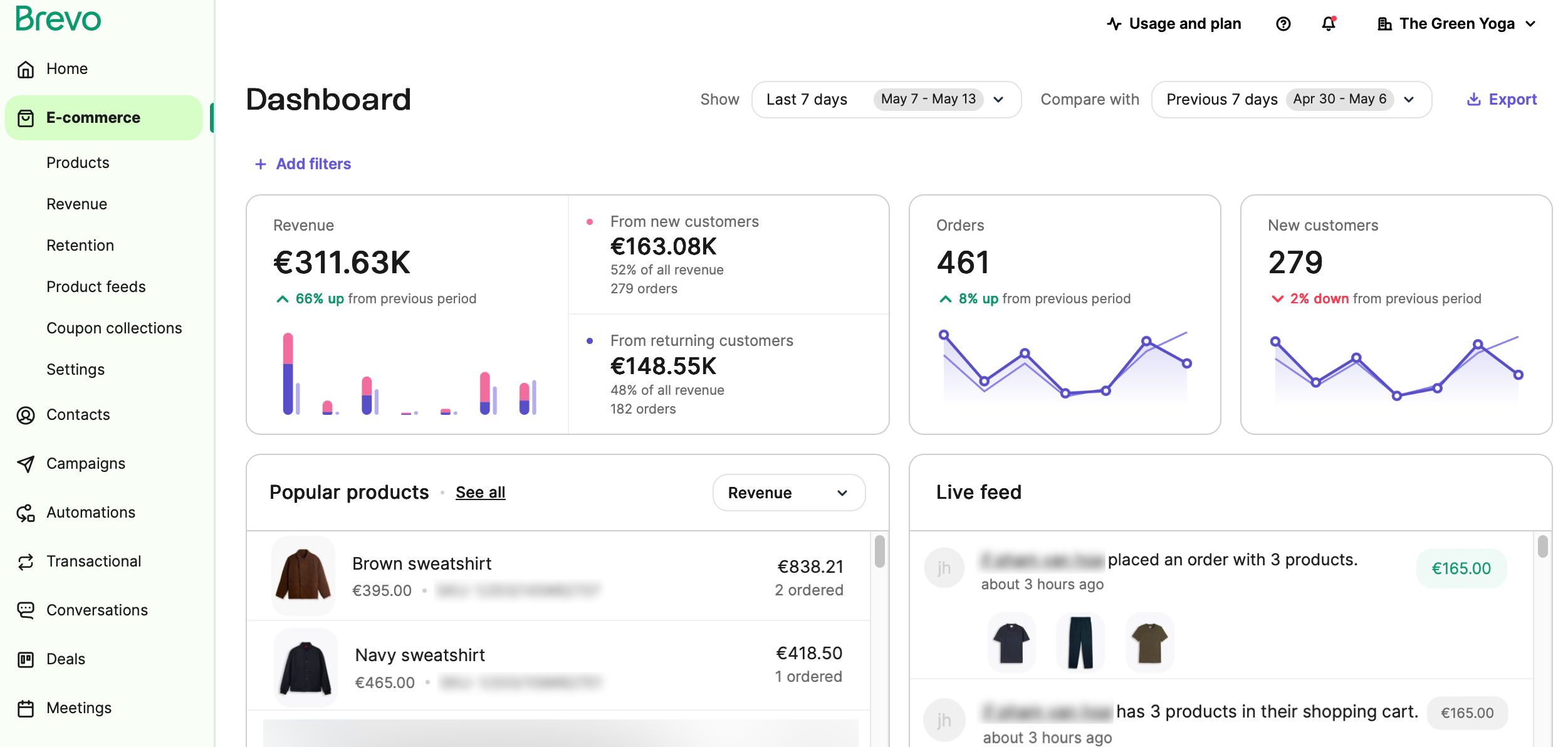
Brevo, formerly known as Sendinblue, has quietly become one of the most compelling value propositions in marketing automation -particularly for teams with large contact lists. While most platforms charge based on the number of contacts you store, Brevo charges based on how many emails you send. For businesses with big lists that communicate selectively, this can mean dramatically lower costs.
The platform covers email, SMS, WhatsApp and live chat, with a built-in CRM, deal pipeline management, lead scoring and landing pages all included. It’s genuinely GDPR-native, which makes it particularly well-suited for European markets or any business with compliance-sensitive data. Brevo’s AI tools like content generator and Aura, is also a useful time-saver for smaller teams that don’t have dedicated copywriters.
Best for:
Budget-conscious SMBs, businesses with large contact lists who send less frequently, teams that need cross-channel marketing campaigns (email + SMS + WhatsApp) without enterprise pricing and European businesses with GDPR compliance requirements.
Limitations:
Automation depth and sophistication doesn’t match specialised tools like ActiveCampaign. E-commerce-specific features are weaker than those of Klaviyo or Omnisend. Reporting has limitations on custom date ranges. Channels can feel more siloed than on platforms built around true omnichannel orchestration.
Pricing:
Check detailed pricing here.
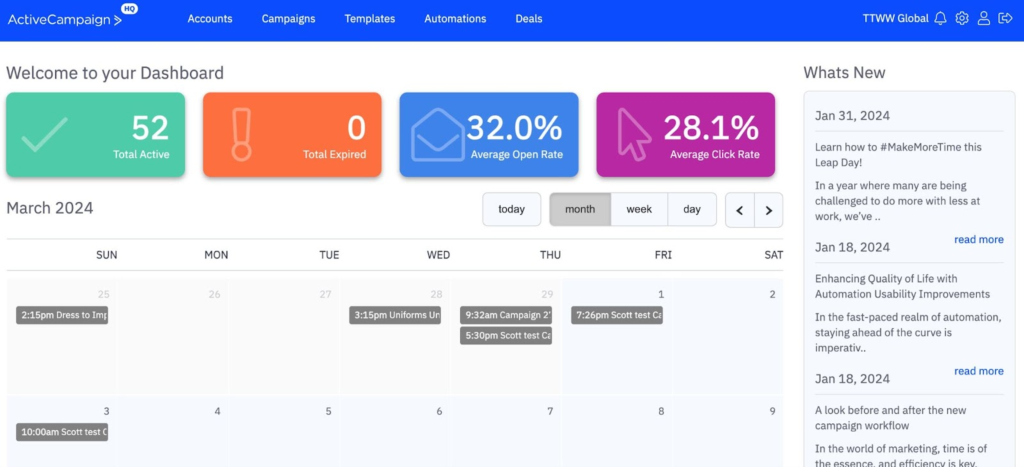
If you’re looking for the most powerful automation builder available outside of enterprise-tier platforms, ActiveCampaign is the answer. Its visual workflow editor supports over 135 automation triggers, conditional branching, multiple yes/no split paths, site tracking and AI-powered send time optimisation-all within a platform that’s genuinely usable by non-technical marketers.
Its automation capabilities are among the strongest outside enterprise-grade marketing automation systems. It handles email, SMS and WhatsApp campaigns, comes with pipeline management, includes lead scoring and lets you build automations that span the entire customer lifecycle from first lead capture to post-purchase retention.
The platform is particularly well-suited to businesses that have outgrown simpler tools and need branching logic that actually reflects how real customers behave, taking different paths based on what they click, what they buy and how they engage.
Best for:
SMBs and growing teams that need powerful multi-branch automations, integrated CRM, lead scoring and cross-channel reach. Strong for B2B teams with complex nurture sequences and ecommerce businesses with post-purchase lifecycle workflows.
Limitations:
No free plan (14-day trial only). The Starter plan caps automation at 5 actions, with no branching -you need the Plus plan or above for anything meaningful. Pricing climbs significantly as contact lists grow (at 50,000 contacts, the Pro plan reaches ~$969/month). CRM features require Plus tier. Extra email sends above plan limits are charged additionally.
Pricing:
Check for detailed pricing here.
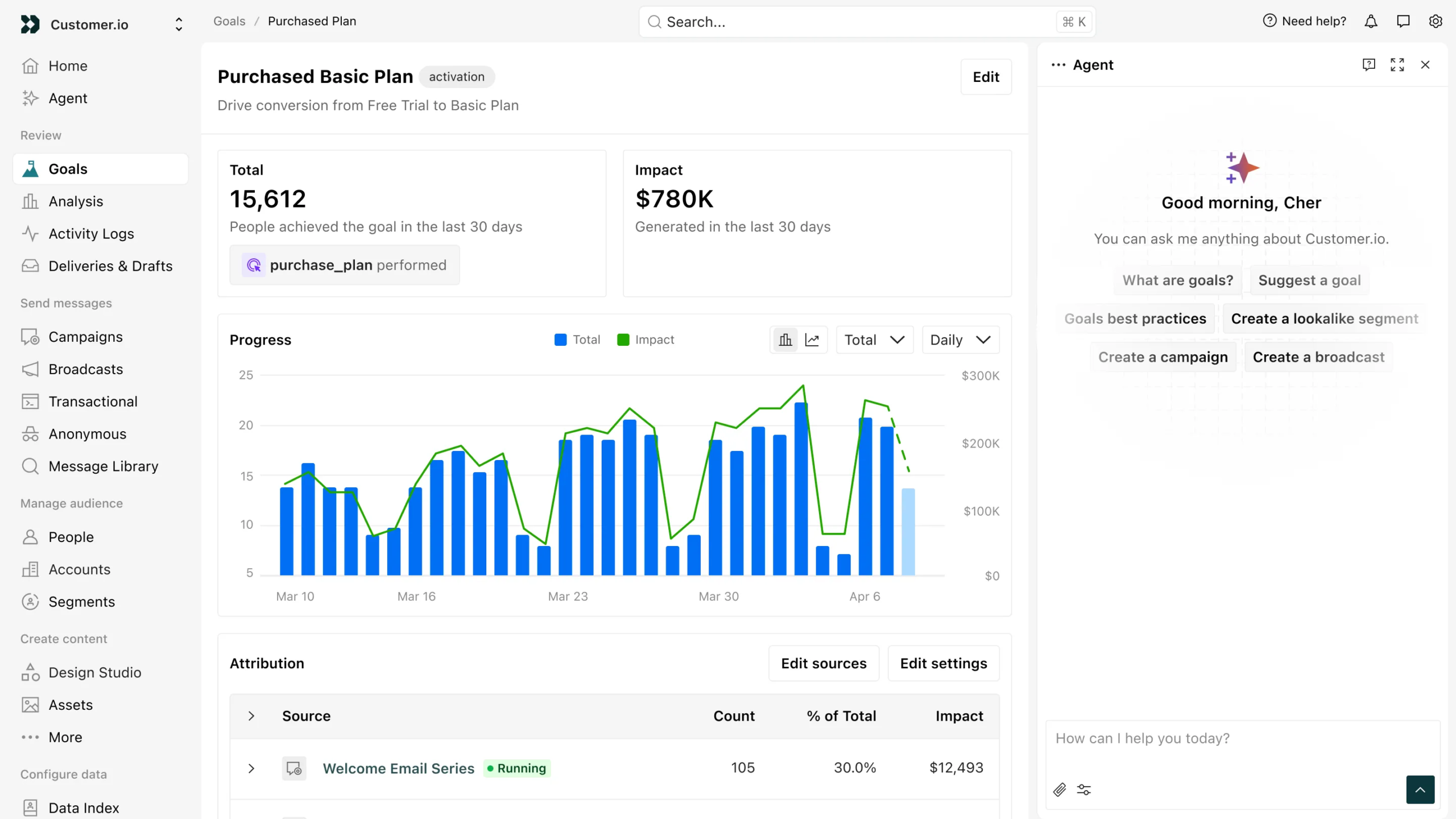
Customer.io is not a general-purpose marketing tool. It’s built for engineering and product teams at SaaS or product-led companies who need precise behavioural messaging at the event level and are comfortable with a technical setup to get there.
Where most platforms ask you to trigger automations based on fields in a customer relationship management data, Customer.io lets you trigger on any custom event your product fires. That level of precision is this marketing automation tool’s core value.
The platform supports email, SMS, push notifications and in-app messaging- all triggered by real-time product and behavioural data. For SaaS companies that need their marketing to reflect exactly what users are doing inside their product, it’s one of the most powerful options available.
Best for:
SaaS companies, product-led growth businesses and technical teams that need event-driven, precise behavioural messaging. Also strong for mobile app companies needing coordinated push, in-app and email workflows.
Limitations:
Requires developer resources to implement effectively. Not suited for non-technical teams or general marketers. Steeper learning curve than most platforms on this list. Limited email design flexibility compared to tools like HubSpot or Klaviyo.
Pricing:
Check detailed pricing here.
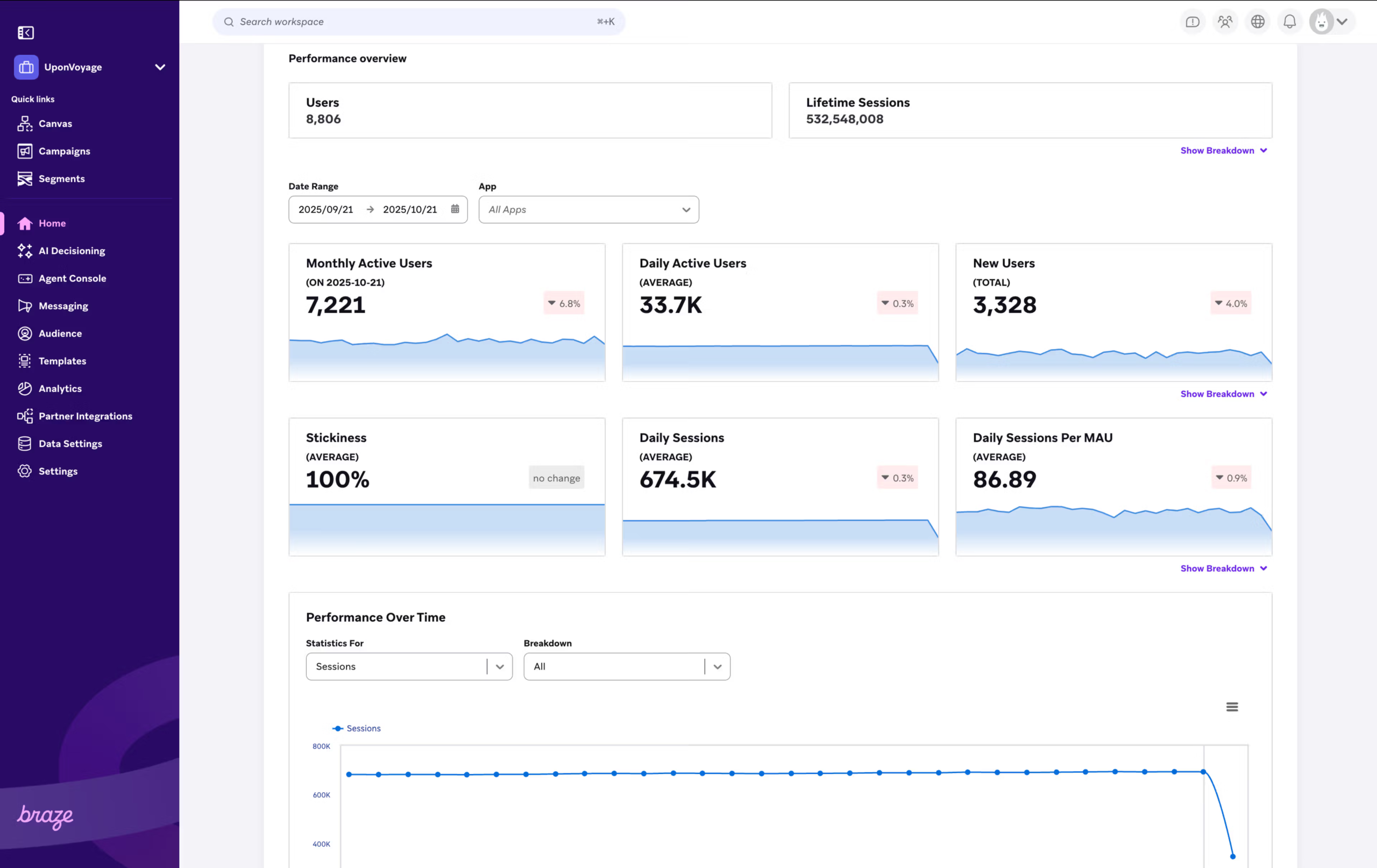
Braze is a customer engagement platform built for brands managing tens of millions of users across mobile and digital channels. Its core strength is real-time behavioural triggers combined with AI-powered channel optimisation- the platform doesn’t just automate messages, it decides which channel to use per individual based on their past engagement patterns.
The Canvas visual workflow builder lets teams design sophisticated multi-channel journeys across email, SMS, push notifications, WhatsApp and in-app messages. Braze’s Intelligent Channel feature uses AI to select the best channel for each user per message -so someone who always opens push notifications but ignores emails gets the push version automatically.
Braze’s client roster -Microsoft, Etsy, HBO Max, Grubhub, McDonald’s -tells you exactly who this platform is built for: consumer brands with massive user bases and the engineering resources to set it up properly.
Best for:
Large B2C brands and consumer apps need real-time, hyper-personalised messaging at scale across mobile and digital channels. Strong for companies where mobile push and in-app messaging are primary customer touchpoints.
Limitations:
Long implementation timelines (often months). Requires a dedicated engineering team to configure events, integrations and advanced flows. No public pricing. Expensive for most teams. Not suited for SMBs or any team without dedicated marketing engineering resources.
Pricing:
Check detailed pricing here.
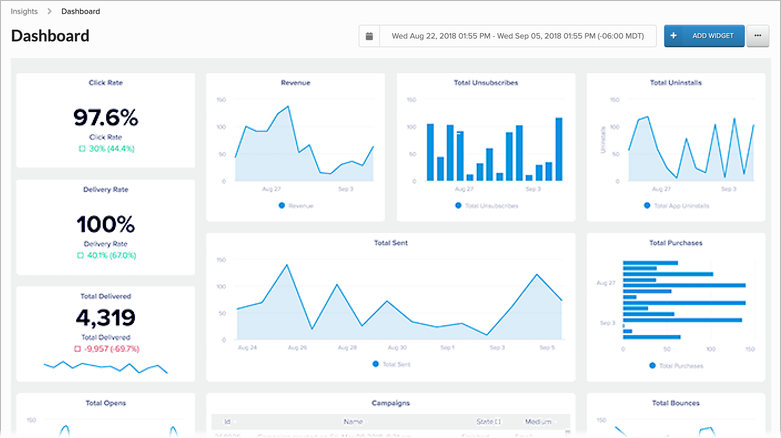
Iterable is a cross-channel lifecycle marketing platform built for large B2C companies that need to orchestrate personalised, real-time communication at massive scale -and want that platform to integrate deeply with their broader data stack.
Where Braze is mobile-first, Iterable is data-stack-first. It’s designed to connect with data warehouses like Snowflake and CDPs like Segment, pulling in rich customer data to power segmentation and personalisation at a level most platforms can’t match. For brands with sophisticated data infrastructure and dedicated marketing operations teams, Iterable’s Workflow Studio offers highly granular lifecycle campaign management across email, SMS, push and in-app channels.
Best for:
Large B2C brands, media companies, subscription businesses and data-rich organisations that need to orchestrate personalised communication at scale and have the team to support a composable martech approach.
Limitations:
Requires a dedicated specialist team to unlock full potential. Custom pricing only. Not SMB-friendly. Implementation complexity is significant. Works best when integrated with a mature data infrastructure.
Pricing:
Iterable pricing is entirely custom and primarily based on your number of active users (MAUs) and message volume.
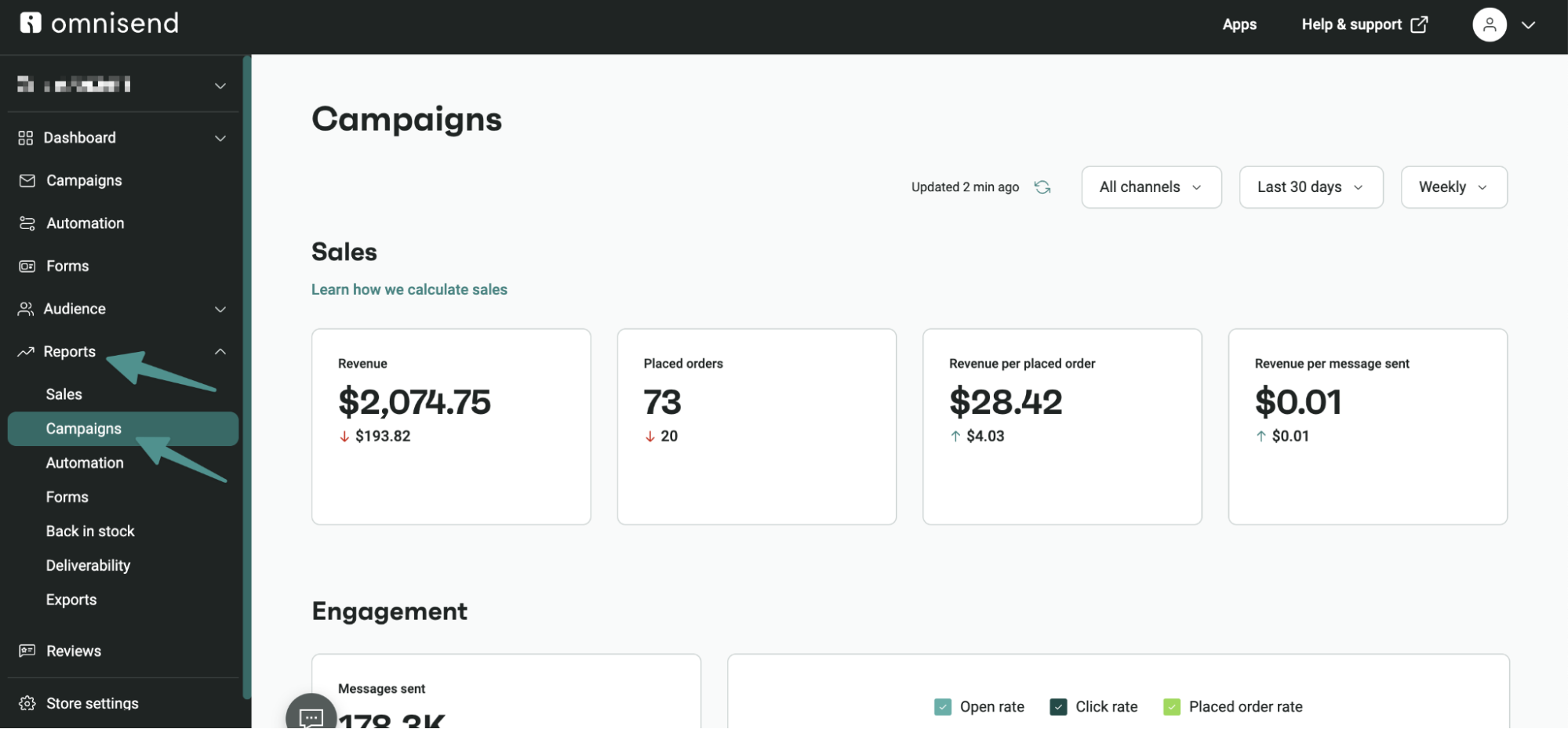
Omnisend is purpose-built for e-commerce -specifically for Shopify and WooCommerce stores that want solid email, SMS and push automation without the premium price tag of Klaviyo. It covers roughly 80% of what most e-commerce stores actually need from automation, at a significantly lower cost.
The platform ships with pre-built automated marketing workflows for all the core ecommerce use cases: abandoned cart recovery, welcome series, post-purchase follow-ups, re-engagement campaigns and product review requests. The drag-and-drop builder is approachable for non-technical teams and product recommendations can be added to emails directly from store catalogue data.
Omnisend’s Pro plan is particularly good value for SMS-heavy strategies -it includes SMS credits equal to the plan value, effectively making the SMS component free relative to the plan cost.
Best for:
Shopify and WooCommerce stores that want reliable email and SMS automation without Klaviyo’s pricing. Strong for mid-size ecommerce teams that need a capable, approachable tool that doesn’t require a specialist to manage.
Limitations:
Segmentation is less advanced than Klaviyo. No predictive analytics or customer lifetime value (CLV) modelling. Fewer native integrations (200+ compared to Klaviyo’s 350+). Less suited to data-heavy, analytics-driven ecommerce teams.
Pricing:
Check detailed pricing here.
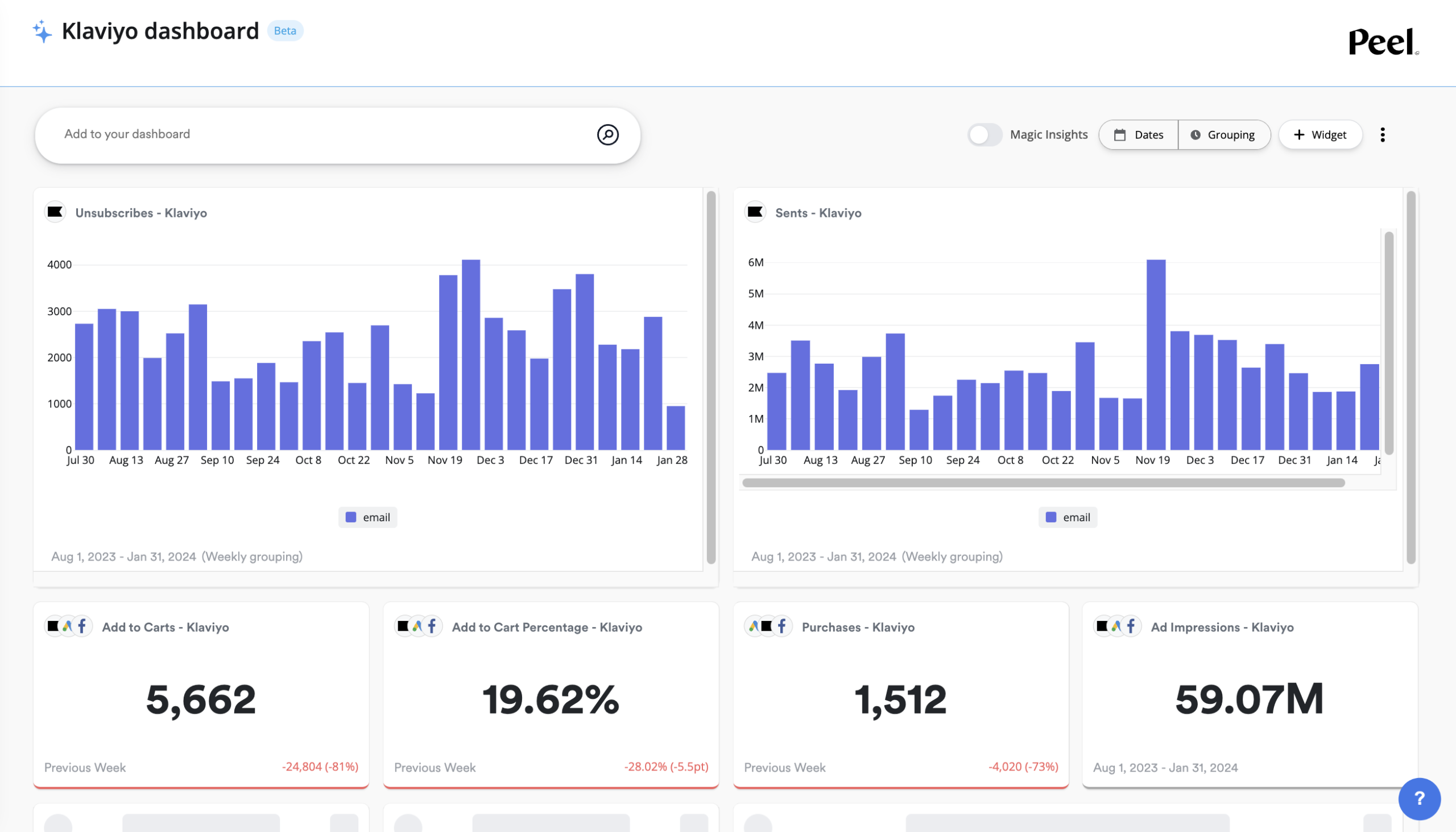
Klaviyo is the dominant force in ecommerce marketing automation for good reason. It’s built entirely around revenue -every feature, from flows to reporting, is tied back to ecommerce behaviour and attributed to actual sales. For DTC brands and Shopify stores that take data seriously, it’s the deepest platform available.
The predictive analytics engine alone separates Klaviyo from most competitors: it calculates predicted customer lifetime value, estimated next order date and churn risk per individual customer -giving you the ability to act on future behaviour, not just past behaviour. Combined with real-time Shopify data sync and over 350 native integrations, the segmentation capabilities are genuinely best-in-class for ecommerce.
AI-driven flows can now be built from prompts rather than from scratch and the benchmarking feature lets you compare your campaign performance directly against industry averages -a genuinely useful insight for teams trying to understand whether their numbers are good or just okay.
Best for:
DTC brands, Shopify-native businesses and data-driven ecommerce teams that want deep behavioural segmentation, predictive analytics and revenue attribution tied directly to campaign performance.
Limitations:
Pricing escalates quickly as contact lists grow. SMS coverage is strongest in the US, UK, Canada and Australia -more limited in other markets. Support quality drops noticeably on lower-tier plans. The free plan is capped at 250 contacts and 500 emails per month, which is restrictive for anything beyond initial testing.
Pricing:
Check for detailed Pricing here.
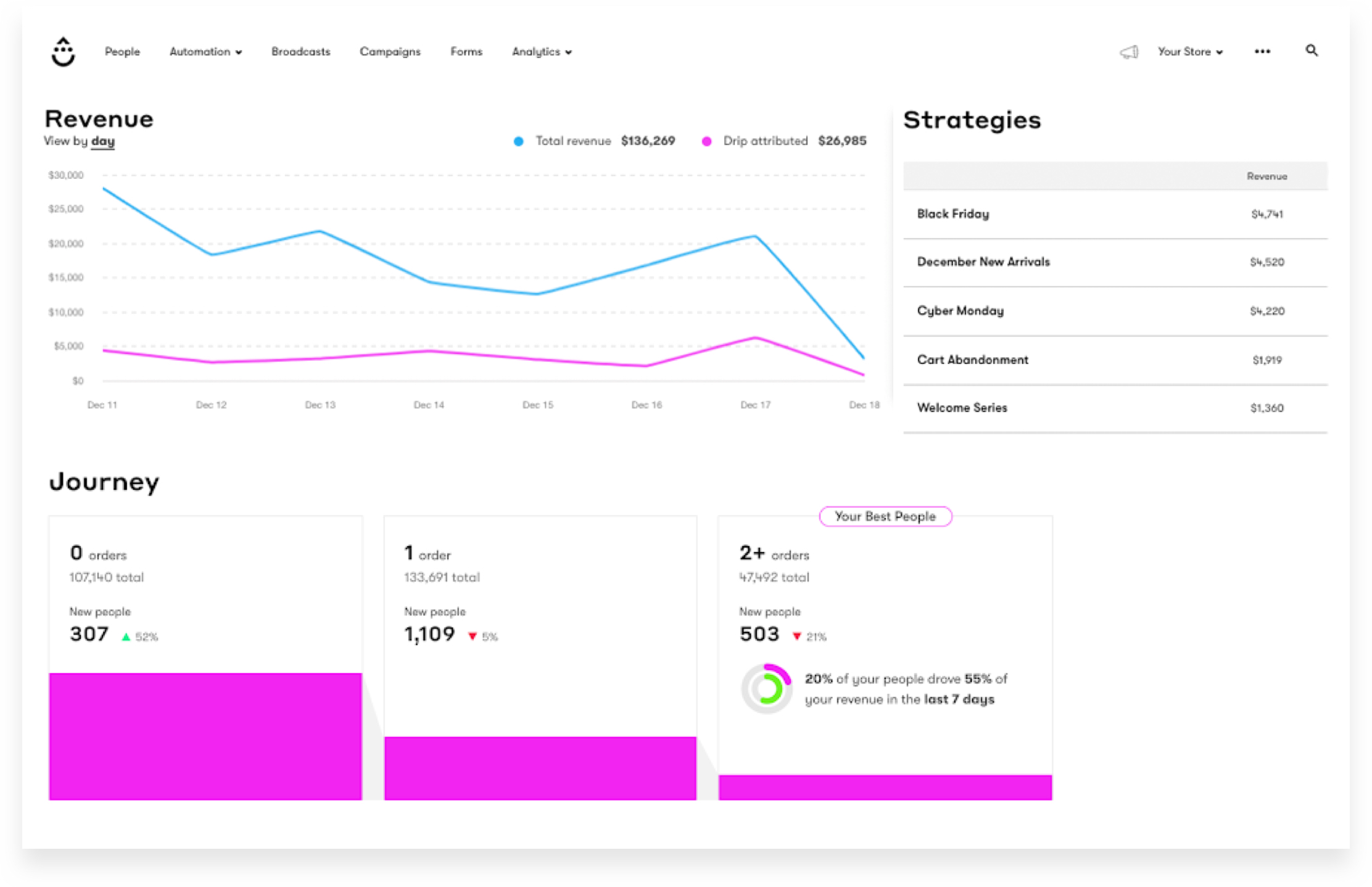
Drip positions itself as an ECRM -an e-commerce CRM -rather than just an email tool. It’s built for DTC brands generating roughly $1M–$50M in annual revenue that want to go beyond batch marketing campaigns and build genuine customer lifecycle programmes driven by deep behavioural data.
Where Klaviyo focuses on revenue attribution and predictive analytics, Drip focuses on granular customer profiles and tag-based behavioural triggers. Every customer interaction -purchase, browse, click, engagement -is captured and available as a trigger point. On-site personalisation tools (dynamic sidebars, sticky bars and in-page messages) extend automation beyond email and into the purchase journey itself.
One practical advantage worth highlighting: Drip’s pricing is feature-complete at every tier. You don’t lose core features as you move down plans -the difference is purely contact count and send volume. This makes it easier to start and scale without worrying about feature gates.
Best for:
Mid-size DTC ecommerce brands that want lifecycle-focused automation, detailed customer data profiles and on-site personalisation beyond what standard email tools offer.
Limitations:
Email-only channel (no native SMS). Less suited to non-ecommerce or B2B use cases. Contact-based pricing scales with list growth. Smaller integrations library than Klaviyo.
Pricing:
Drip offers custom pricing for number of people on your email list. Check for detailed pricing here.
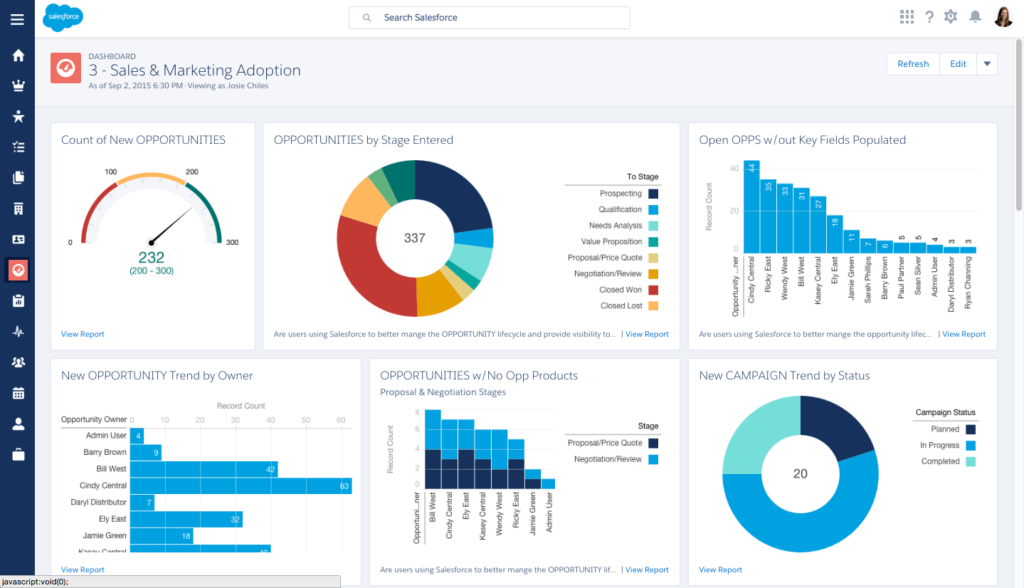
Salesforce Marketing Cloud is one of the best enterprise marketing automation platforms for large organisations that are already invested in the Salesforce ecosystem. Its Journey Builder allows teams to design sophisticated, multi-channel customer journeys across email, SMS, push notifications, WhatsApp and paid advertising -all connected to Salesforce CRM data in real time.
Einstein AI powers send time optimisation, predictive content scoring and engagement frequency management across marketing campaigns. For organisations managing millions of customer records and running complex cross-channel programmes, the depth of capability is hard to match.
The honest reality, however, is that Salesforce Marketing Cloud is genuinely complex. The product is modular -different capabilities (Email Studio, Mobile Studio, Advertising Studio, Social Studio) are purchased separately, which means costs compound quickly as you build out the stack. Implementation typically requires a certified Salesforce partner and significant internal technical resources.
Best for:
Large enterprises with existing Salesforce CRM infrastructure, dedicated marketing operations teams and complex multi-channel programmes that require deep integration between marketing execution and sales pipeline management.
Limitations:
Highly complex setup and steep learning curve. Fragmented modular pricing means costs add up significantly. Many advanced features require separate contracts. Ongoing management requires specialised technical expertise. Not practical for any team without significant Salesforce experience
Pricing:
Check for detailed pricing here.
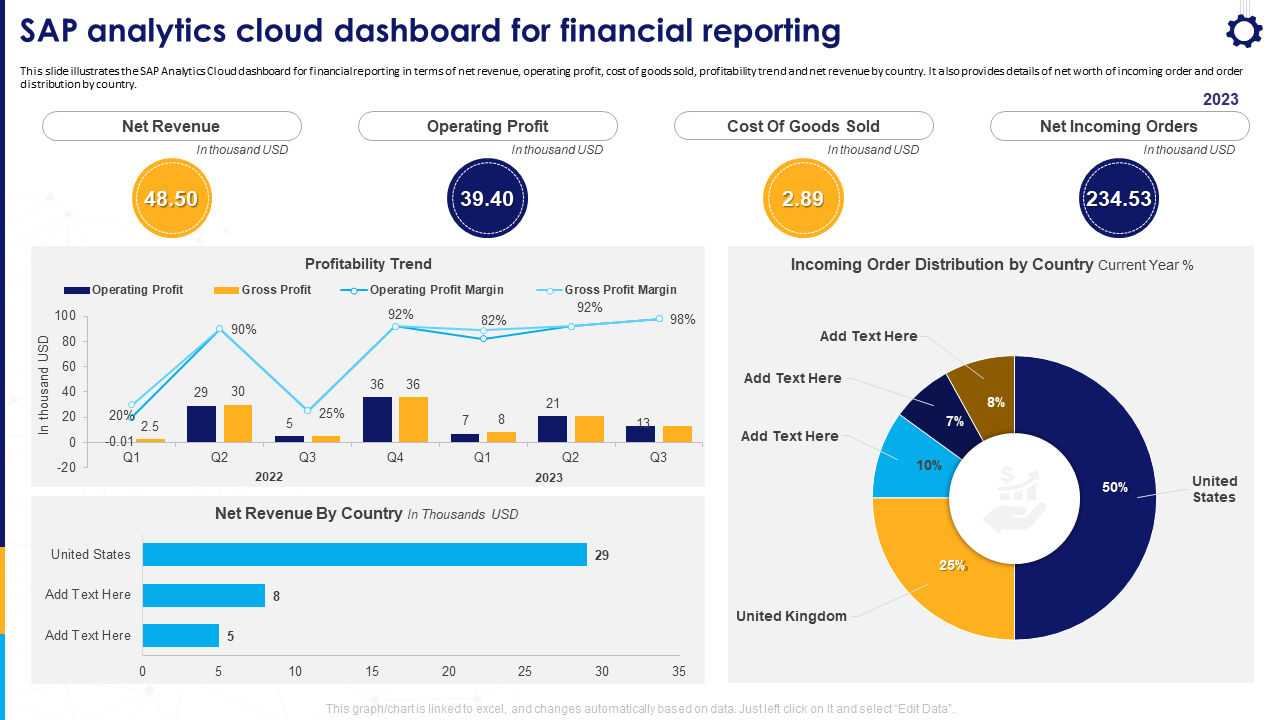
Formerly known as Emarsys, SAP Engagement Cloud was rebranded in February 2026 as part of SAP’s broader vision to connect customer-facing marketing with back-end business operations. The rebrand reflects a genuine strategic shift: the platform is no longer just a marketing automation tool, but an orchestration layer that connects omnichannel marketing with ERP data, loyalty programmes and commerce systems.
The AI-powered personalisation engine is among the strongest in the enterprise space -particularly for omnichannel retail and brands with significant offline presence. The ability to connect in-store behaviour, loyalty data and ERP signals with automated marketing campaigns is a meaningful differentiator for large retail organisations.
The platform is most naturally suited to organisations that already operate within the SAP ecosystem. Compared to older enterprise suites like Oracle Marketing Cloud, newer platforms now place greater emphasis on AI-powered personalisation and real-time orchestration. The integration depth is a genuine competitive advantage. For those that don’t have it, implementation complexity and cost are significant considerations.
Best for:
Large global enterprises -particularly in retail, FMCG and hospitality -that need AI-powered omnichannel personalisation and have existing SAP infrastructure. Strong for brands with significant offline and online commerce requiring unified customer engagement.
Limitations:
Best value for existing SAP customers. No public pricing. Significant implementation investment required. Less competitive for organisations outside the SAP ecosystem. Rebranding is recent and some documentation still refers to the Emarsys name.
Pricing:
Check for detailed pricing here.
Mailchimp is the most widely recognised entry point into email marketing and basic automation and for good reason -it’s approachable, well-documented and has over 1,000 integrations that make it easy to connect with whatever tools a small business is already using.
That said, Mailchimp has changed significantly in recent years under Intuit’s ownership. The free plan was stripped of automation features in June 2025 -what was once a genuine free tier with basic journey building is now limited to 250 contacts and 500 monthly sends with no automation access. Prices have also increased multiple times since the acquisition, and the platform’s billing model counts unsubscribed contacts toward your limit, which frustrates many users as their lists grow.
For teams that are just starting out and primarily need email campaign management with simple automations, Mailchimp still gets the job done. For anyone who quickly outgrows the basics, the pricing-to-feature ratio stops making sense relatively fast.
Best for:
Solo marketers, early-stage startups and small businesses that need a simple, familiar interface for email campaigns and basic automation without a steep learning curve.
Limitations:
Free plan no longer includes automation (as of June 2025). Prices have increased multiple times since Intuit acquisition. Billing counts unsubscribed contacts. Automation capabilities significantly lag behind competitors at similar price points. Not suited for complex multi-channel workflows.
Pricing:
Check for detailed pricing here.
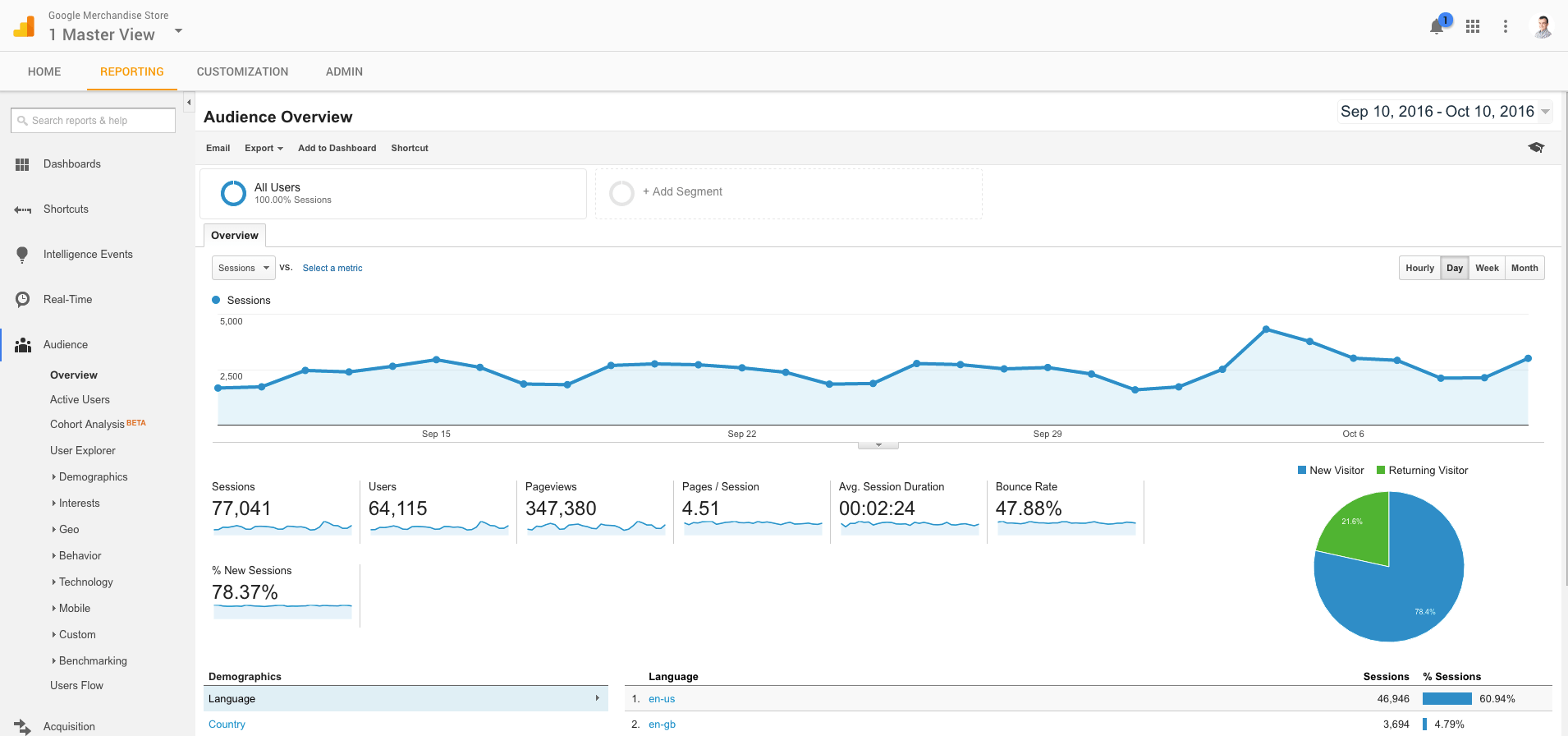
GetResponse sits in an interesting position: it’s approachable enough for teams new to automation, but has more built-in lead generation and campaign infrastructure than most beginner tools offer. The key differentiator is the native webinar platform -GetResponse includes webinar hosting for up to 1,000 attendees, which makes it an unusually strong choice for coaches, consultants, course creators and B2B teams that use webinars as a lead generation channel.
Beyond webinars, the platform covers email automation with a visual builder, conversion funnels, landing pages, SMS and an AI email generator. Unlike Mailchimp, unlimited email sends are included on all paid plans _meaning you don’t have to track send volume as your list grows.
Best for:
SMBs, coaches, consultants and content-driven businesses that want a step up from basic email tools -particularly those using webinars or virtual events as part of their lead generation strategy.
Limitations:
Steeper learning curve than Mailchimp. Some deliverability inconsistency reported by users compared to dedicated email-first platforms. Ecommerce-specific depth doesn’t match Klaviyo or Omnisend. Advanced automation logic is less powerful than ActiveCampaign.
Pricing:
Check detailed pricing here.
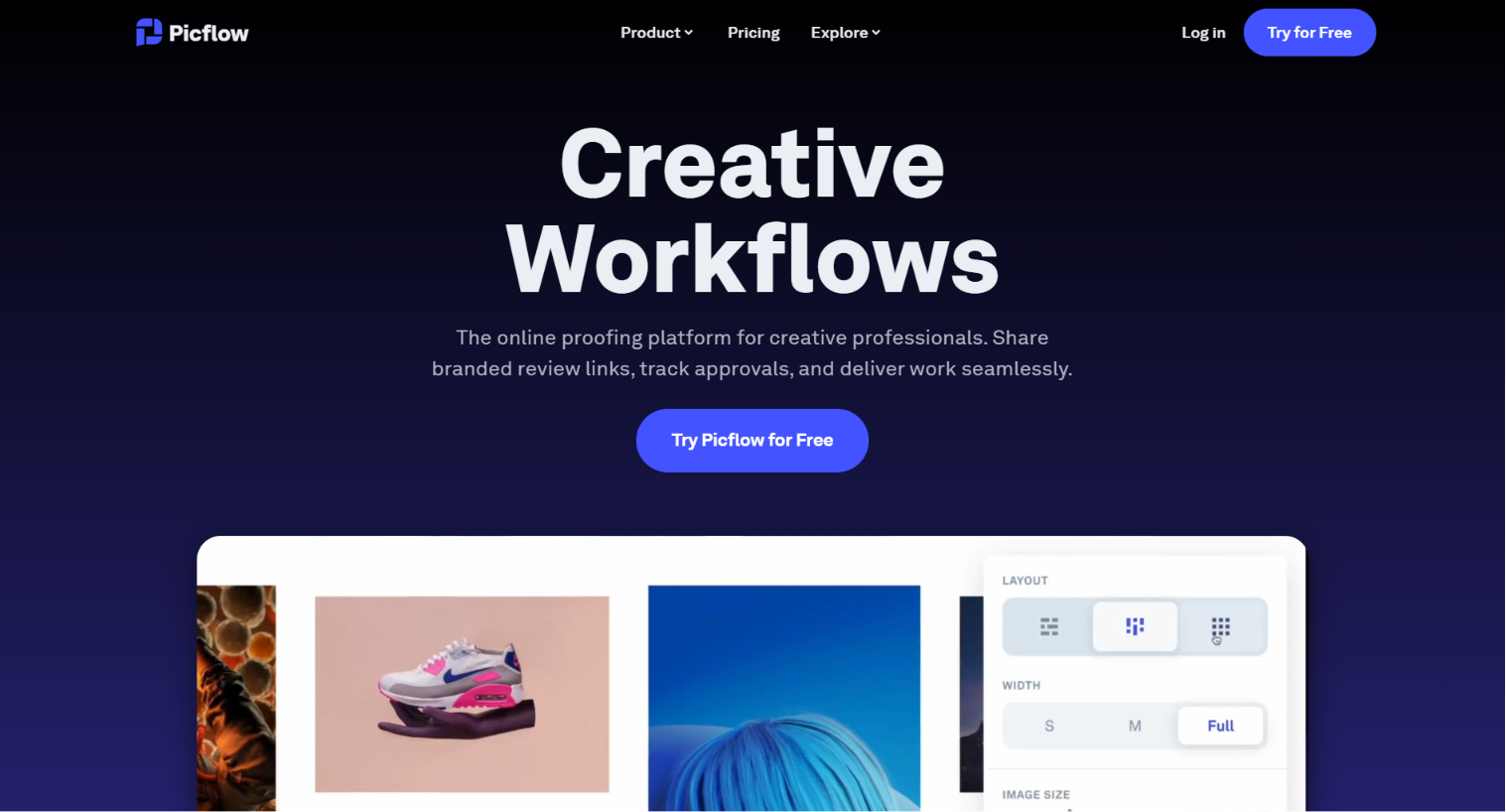
Picflow is an online proofing software and creative collaboration platform that helps marketing teams, agencies and content creators streamline the review and approval process for visual content. Instead of chasing feedback across long email threads, spreadsheets and chat apps, teams can share images, videos and other creative assets in secure branded galleries where reviewers leave comments, annotations and approvals in one place. This keeps projects organized, shortens review cycles and helps marketing campaigns go live faster.
Picflow stands out because it focuses on one of the biggest bottlenecks in marketing workflows, creative approvals. Marketing teams often spend more time collecting feedback than creating campaigns, especially when multiple stakeholders are involved. Picflow centralizes every revision, comment and approval, making it easy to track progress, compare versions and ensure everyone works from the latest asset. It integrates naturally into existing marketing workflows without adding unnecessary complexity, making collaboration faster for both internal teams and external clients.
One thing to keep in mind is that Picflow is not a traditional marketing automation platform with email campaigns, CRM features or lead nurturing workflows. Instead, it complements those tools by improving the production and approval stage of marketing content. If your biggest challenge is managing creative assets and getting campaigns approved quickly, Picflow fills that gap exceptionally well.
Best for:
Marketing teams, creative agencies, design studios, photographers, content creators and in-house creative departments that need a faster, more organized review and approval process for visual content.
Limitations:
Picflow doesn’t include CRM, email marketing, customer journey automation or lead management features. Businesses looking for an all-in-one marketing automation suite will need to pair it with their preferred CRM or marketing platform.
Pricing:
Check detailed pricing on the Picflow website.
A marketing automation software is only as valuable as the workflows you build with it. Here are the highest-impact use cases and how they work in practice:
The moment a new lead enters your system, they should receive a structured introduction to your product or service.
A good welcome sequence does more than say ‘hello’. It gives new leads a clear next step, introduces the product or service, answers common questions and moves the contact towards a first purchase or sales conversation. Track replies, clicks, booked calls or purchases so you can improve the sequence over time.
Not every lead is ready to buy the day they sign up. Lead nurturing automation keeps your brand visible and relevant across a longer buying decision journey. Delivering educational content, case studies and social proof at timed intervals or triggered by specific behaviours like visiting key pages on your website.
For e-commerce businesses, abandoned cart workflows remain one of the highest-ROI automations available. Recent benchmarks show that automated flows generate nearly 41% of total email revenue from just 5.3% of sends, with abandoned cart flows averaging $3.07 in revenue per recipient compared to just $0.10 for standard campaigns. With global shopping cart abandonment currently at 77.68%, the opportunity to recover otherwise lost sales is massive.
A three-email sequence: immediate reminder, value reinforcement and a final nudge is what consistently outperforms a single follow-up.
Whether it’s automated registration confirmations, pre-event reminders or post-event follow-ups, these reminders ensure that people who registered actually show up and that attendees receive follow-up content while their interest is still high.
Contacts who haven’t engaged in 60, 90 or even 120 days represent recoverable revenue. Automated re-engagement sequences identify dormant contacts and fire a targeted sequence, often giving them a compelling reason to return. Such as a new feature, a special offer or just a simple check-in.
Post-purchase automation is consistently underused. Once a customer buys, automation can identify the logical next product based on purchase history and surface it at the right moment; i.e. seven days after delivery, after a positive review or when stock of that item is running low.
Automated post-purchase review requests sent at an optimal time consistently outperform manual outreach for both response rate and review quality.
The most sophisticated application of automation is full lifecycle orchestration- different message sequences for new leads, active prospects, first-time buyers, repeat customers and churned users. Each stage of the relationship gets content and offers tailored to exactly where that person is in their journey.
Most marketing automation platforms are built for one type of team: either the email-first marketer, the enterprise demand gen team or the ecommerce brand. telecrm is built for the reality of how most growth-focused sales and marketing teams actually operate and particularly for teams where the phone, WhatsApp and digital campaigns all need to work as one system.
Here’s what that looks like in practice:
So when the rep initiates the call, the CRM already shows the lead source, the campaign they came from and any prior engagement. If the lead doesn’t answer, a follow-up SMS goes out automatically. If they do answer, the outcome of the call updates the lead stage, which triggers the next appropriate workflow.
The same system handles IndiaMart enquiries, JustDial leads, Google Ads conversions and organic website submissions- all flowing into the same pipeline, all receiving appropriate follow-ups and no one falling through the cracks because someone forgot to check a spreadsheet.
For teams running high-volume outbound alongside inbound digital campaigns, this level of integration between calling, WhatsApp, CRM and automation is genuinely difficult to replicate by stitching together multiple tools.
Specific capabilities that count are:
For businesses where sales conversations—not just email sequences—drive customer acquisition, telecrm is a strong fit because it combines calling, WhatsApp, lead management and workflow automation in one CRM.
Marketing automation isn’t just a category of software anymore. Marketing automation helps marketing and sales teams eliminate manual tasks, improve lead nurturing and scale personalised communication without increasing headcount.
The numbers back this up: companies using marketing automation platforms see an average $5.44 return for every $1 spent, a figure verified by Nucleus Research across 16 independent case studies. Automated email sequences generate 320% more revenue than manual sends. Adoption has become widespread, with 76% of companies now using some form of marketing automation — yet a Pedalix survey of 460 B2B companies found that only 25% have deployed it extensively. The gap between businesses running sophisticated automation and those still operating basic workflows remains a genuine competitive opening.
The platform matters less than the strategy. Automation amplifies what you already have. If your messaging is generic, automation makes generic messaging go out at scale. If your follow-up sequences are poorly timed, automation fires them faster. The teams getting the best results aren’t necessarily using the most sophisticated tools instead, they’re simply the ones who mapped their customer journey first, understood where people were dropping off and built workflows designed to address those specific moments.
Sixteen tools, five categories, one decision: choose the platform that matches the way your team actually works.
If calls, WhatsApp and lead follow-ups are central to your sales process, Book a free demo and see how telecrm workflow fits your team.
Marketing automation software is a tool that automates repetitive marketing tasks like sending emails, WhatsApp messages, follow-ups, lead scoring and campaign management based on user behaviour and triggers.
A CRM stores and organises customer data for sales teams, while marketing automation focuses on running automated campaigns and nurturing leads across channels like email, SMS and WhatsApp.
Key features include workflow automation, lead scoring, audience segmentation, omnichannel messaging (email, SMS, WhatsApp), CRM integration, analytics and customer journey mapping.
Yes. Marketing automation improves sales by enabling timely follow-ups, personalized messaging and automated nurturing workflows, which reduce drop-offs and increase conversion rates.
Industries like ecommerce, real estate, SaaS, education, insurance and B2B services benefit most because they deal with high lead volumes and require structured customer journey automation.
For sales-led Indian SMBs that depend on calls, WhatsApp and fast lead follow-ups, telecrm is a strong fit. Brevo suits budget-conscious teams focused on email, SMS and WhatsApp; ActiveCampaign suits teams that need deeper workflow logic; and HubSpot suits businesses that want a broader CRM and marketing ecosystem. Compare channel support, integrations, pricing at your expected scale and setup effort before choosing.

© Copyright 2026 telecrm.in (Flamon Cloudtech Pvt Ltd) - All Rights Reserved • Privacy Policy • T&C



© Copyright 2026 telecrm.in - All Rights Reserved • Privacy Policy • T&C