Ever got up from a sales interaction feeling confident that you might have just won the deal, only to later realise how you can’t remember the requirements, objections or features that were discussed and demanded?
Sales conversations alongside all sorts of customer communications run fast, for a sales team handling hundreds of such calls daily, rushed and misplaced notes will inevitably lead to missed follow-ups, lost opportunities and miscommunication.
This is where recording calls comes into play, sales call recordings are specifically meant to resolve issues like these as a way to bring clarity and continuity to every conversation.
Sales call recording is quite literally automated recording of sales calls, which can be stored for valuable and actionable call insights for future reference. These recordings help businesses capture real sales conversations as accurate records without letting any valuable insight slip through.
Which later helps sales reps, sales leaders or even business owners to look into the team’s performance, analyse key insights through post-call analysis and gain valuable visibility into sales conversions.
As a sales leader, drafting deal strategies for your team without recording sales calls is like trying to improve your players at playing a sport without ever watching the match replays. You can see the final score, but you never really know what went right or wrong.

Most businesses face three major struggles when sales calls aren’t being recorded:
You must’ve experienced the feeling where the deal looked promising. Follow-ups were done and then the prospect suddenly goes silent or backs out.
What do you guess went wrong?
The business impact shows up quietly but consistently as these small gaps in conversations turn into big losses on the balance sheet. Without recorded sales calls, you rarely get to clear your doubts.
Over time, this lack of clarity affects core business outcomes like the loss of potential customers, missed revenue, reduced average deal size and shrunken conversions.
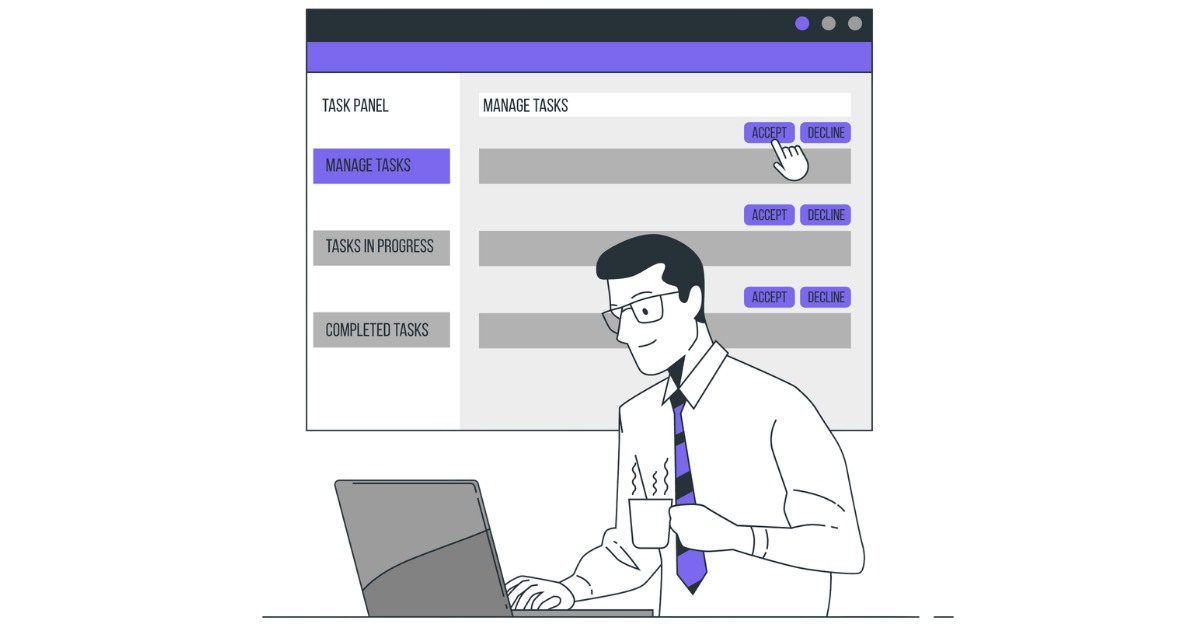
Without call recordings, on the ground problems show up in team execution. Sales teams spend extra time trying to remember conversations and customer feedback after every call, which results in:
Instead of focusing on selling, sales reps are left juggling between manual data entry and inconsistent workflows. Processes that should run smoothly become slow and exhausting, slowing down the entire team.
As leaders, the biggest challenge appears in manager oversight. They are often expected to rely on daily reports and verbal updates on key metrics to assess the team’s performance. But numbers alone don’t always tell the full story.
Without sales call recording, you lack visibility into real conversations and call quality. This makes reviewing phone call insights reactive instead of proactive and leaves performance evaluations based on assumptions rather than facts.
Without sales call recordings, businesses are left to operate on partial information. Teams struggle to improve and you are left wondering what’s happening on the floor.
Recording sales calls connects these missing pieces of customer conversations, helping teams turn confusion into consistent customer success.
Once you start recording sales calls, you begin to notice small but important changes. Conversations carry a lot more intention, follow-ups feel a lot more personalised and the team stops guessing and starts working on improving confidence.
Let’s talk about how recording calls actually helps better sales performance:
Think about the kind of feedback sales reps get during coaching moments, ‘You need to handle objections better’ or ‘You need to sound more confident’, which is practical in theory but how does that work in practice?
When you have past sales call recordings on hand, coaching becomes easier. Sales leaders can simply replay a certain part of a call, such as ‘This is where the customer hesitated and you missed the chance’ or ‘This strategy was working, use it more often’. Real-time coaching of sales tips makes learning much easier.
Sales call recordings are especially helpful to new employees. Instead of starting from scratch, they can listen to real-time sales calls, understand how experienced sales reps talk to customers, how they handle real-world situations and pick up on their sales techniques. At the same time, past conversations help identify both mistakes and good examples to know exactly what to avoid and what to repeat.
Every salesperson has a moment where the sales call just flows. The pitch is working, objections are handled smoothly and the deal is won.
Recording calls helps save them, so that teams can listen back and determine what led to the positive result. They can start doing it often to garner more deals. Over time, this creates consistent patterns that result in a higher number of successful sales.
Instead of guessing which best practices work, sales training can be made easier by listening to recorded calls to work out which sales strategies work best and improve conversions naturally.
Sales call recordings also help keep things square and consistent. Sales managers can ensure that sales scripts are being followed without any conversational gaps, maintaining professionalism through every call.
This reduces misunderstandings and clears up confusion when questions or objections are made. Having accurate call records creates full transparency, building brand trust and ensuring accountability across all sales interactions.
Picking a sales call recording tool doesn’t have to be overwhelming. But knowing what each platform offers compared to what your sales team needs, can make the decision a lot easier.

Here are some popular options listed below for higher sales enablement, with what they offer, their pricing and the pros and cons that come along with them.
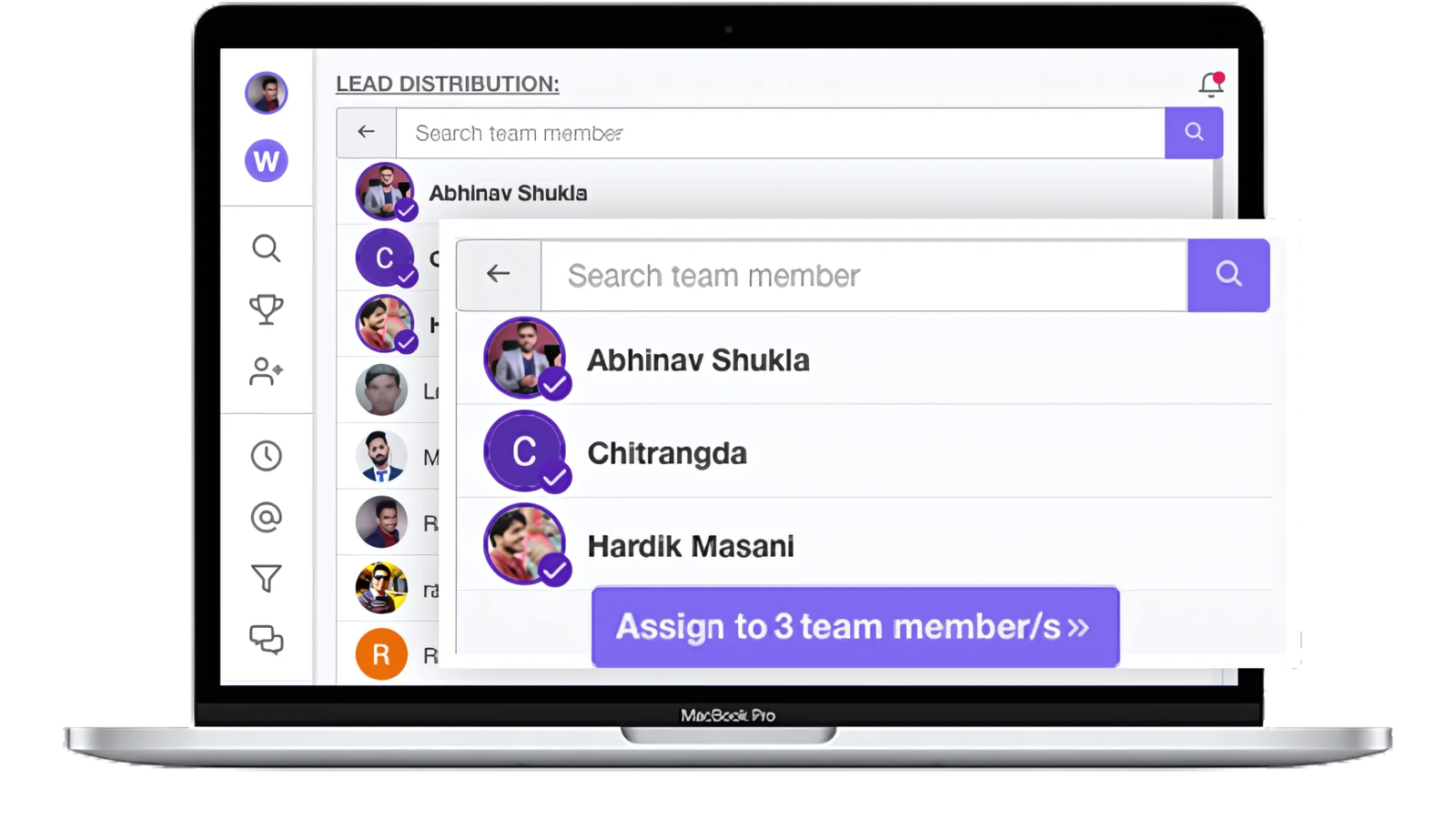
telecrm is a sales management CRM built specifically for mobile-first sales teams. Especially those who rely heavily on calls and WhatsApp communication. It brings sales call recording and everything you need as a CRM together in one software to save you from juggling across multiple apps to capture leads, note down conversations or set up reminders for follow-ups.
Additionally, it offers real-time lead tracking, automated follow-ups, detailed sales analytics, with customisable dashboards and individual caller performance reports.

What it offers:
Pricing:
Pros:
Cons:
Best for: Small to mid-sized businesses and startups that want automatic call recording linked with a CRM without complexity.
Zoho CRM is a well-known cloud-based CRM that offers a full sales platform, including lead and pipeline management with integrated calling and call recording capabilities through its telephony features.
What it offers:
Price:
Pros:
Cons:
Best for: Teams that want a full CRM system with call recording software as part of a bigger sales and marketing ecosystem.
HubSpot Sales Hub is known for its user-friendly CRM and sales tools. It offers call tracking and recording system, along with robust deal pipelines, automation and growth-focused analytics.
What it offers:
Price:
Pros:
Cons:
Best for: small to mid-sized teams that want a well-rounded CRM with easy-to-use call recording and sales automation.
Gong is more than just a call recording software, it’s a revenue intelligence platform that goes deep into conversation analytics and insights. It’s often used by larger sales teams focused on training and performance improvements.
What it offers:
Price:
Pros:
Cons:
Best for: large-scale organisations that want AI-powered call insights and revenue intelligence from sales calls
Aircall is a cloud-based business phone system that supports click-to-call functionality, automatic call recording and analytics. Alongside routing and collaborative features that help teams handle calls effectively.
What it offers:
Price:
Pros:
Cons:
Best for: sales and support teams that want reliable call recording within a cloud phone system that plugs into their CRM.
Setting up call recording doesn’t have to be complicated. In fact, with the right software, it can fit right into your existing workflow.
The key is choosing what will work smoothly and will be easy for your team to get used to.
Android devices generally allow a deeper call recording functionality, which allows setting it up in just a few steps. Most sales call recording software or CRMs that offer the feature can record both incoming and outgoing calls once the required permissions are enabled.
Sales cycles are changed completely as calls get recorded quitely in the background so reps don’t have to remember to press any buttons or manage anything mid-conversation. Every customer call is saved exactly as it happened, which means no customer interaction is left ignored.
Since everything is automated, sales reps can stay fully focused on the conversation and not worry about not taking or trying to remember details. Once the setup is done, sales calls are automatically logged and stored.
Recording calls on iOS works a little differently due to platform restrictions and Apple’s privacy policies. When a call is recorded using iOS, the system automatically announces to the parties involved that the call is being recorded, ensuring transparency.
Additionally, Apple’s app store review guidelines require that any app recording calls or audio must request explicit user consent and show a clear visual or audible indicator during recording.
Because of these platform guidelines, third-party recording software on iOS often uses cloud-based calling or virtual numbers, with recording and linking done securely on the server side instead of directly on the device. Once a call ends, the recording can then be safely saved and automatically linked to the respective lead.
What to look for while setting up
Whether your team uses Android or iOS, the goal remains the same, automatic call recording with minimal effort from the sales team members.
No matter the device, a good recording solution should:

One of the biggest challenges in sales isn’t making the call; it’s remembering what happened on the last one. What was discussed, what was promised and what needs to happen next. When that context is missing, follow-ups feel incomplete and customers feel like they’re starting from scratch.
Full conversation history, not just call recordings
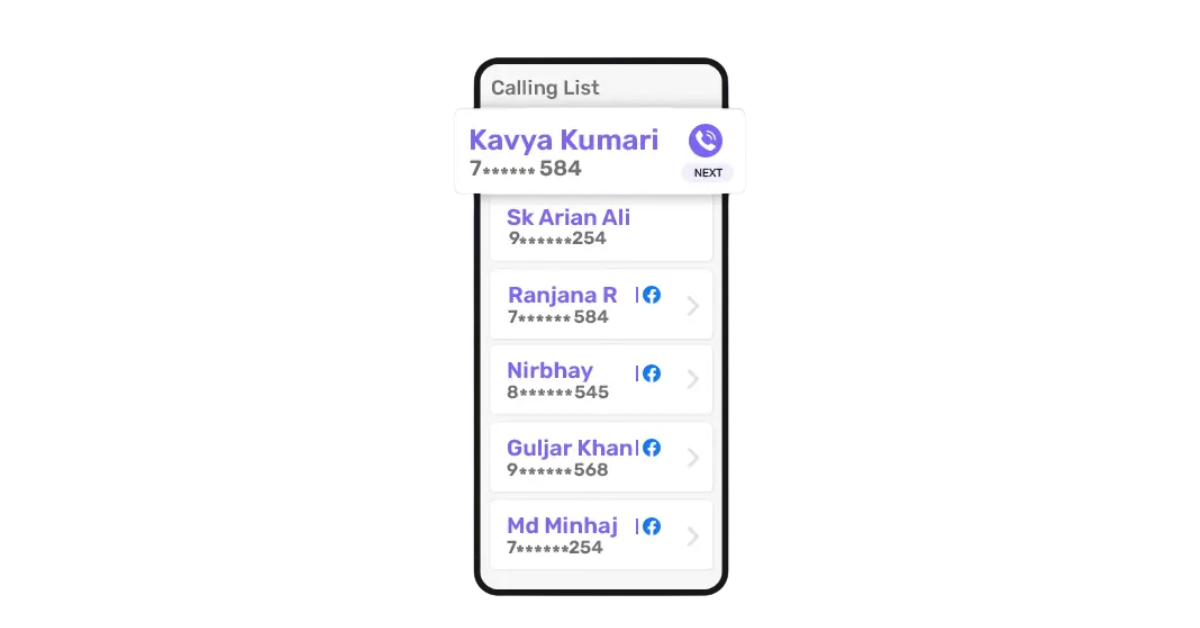
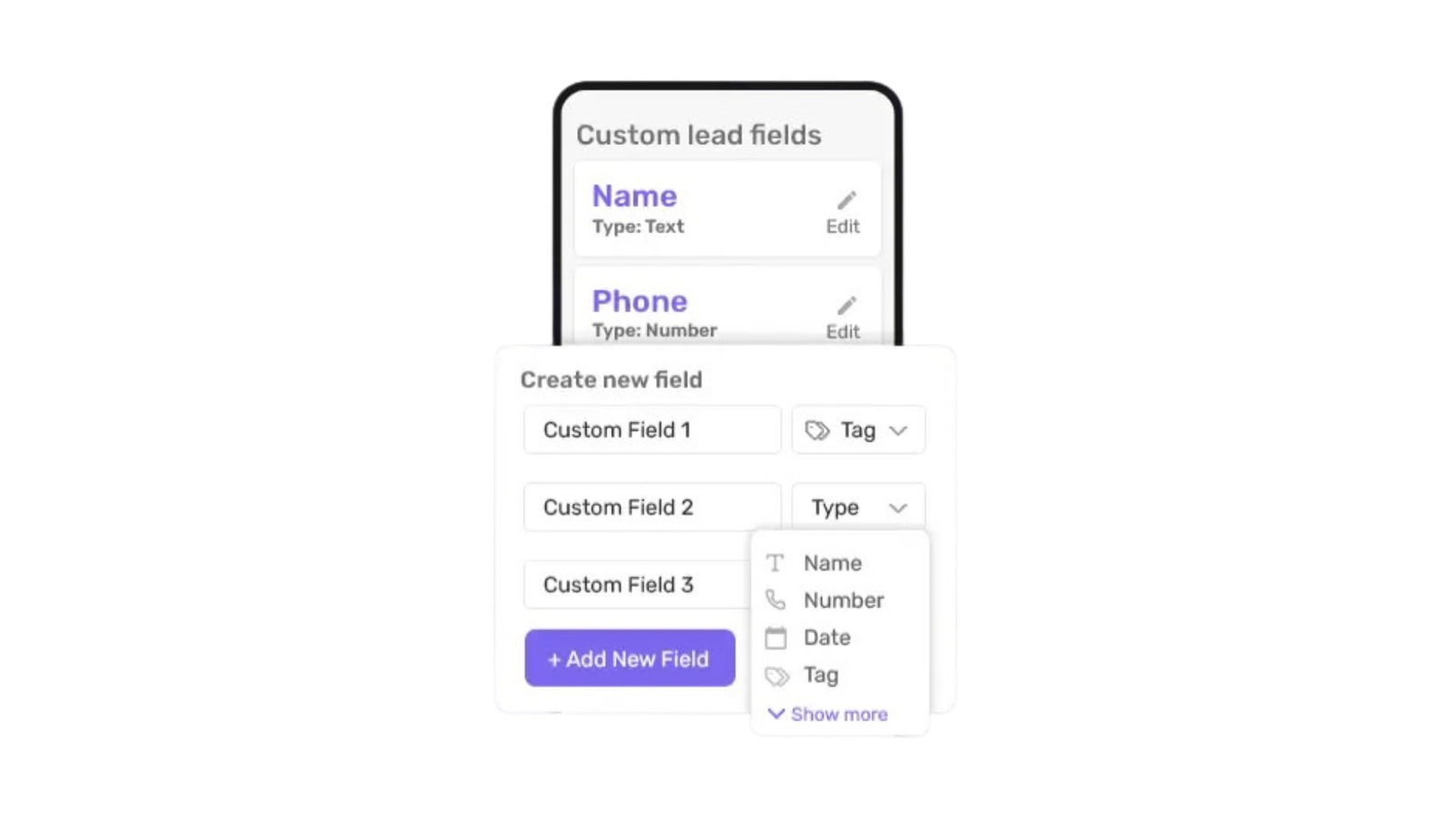
telecrm solves this by keeping everything in one place. Every sales call is automatically logged in a centralised call history and linked directly to the right lead. When a rep opens a contact, they can access all of the leads information, instantly see past conversations, listen to past call recordings.
Alongside recording calls, notes, follow-ups and timelines are organised under the same lead name. This helps reps prepare better and keeps conversations continuous instead of fragmented. Customers don’t have to repeat themselves and reps don’t sound unprepared.
Calls and WhatsApp messages stay connected
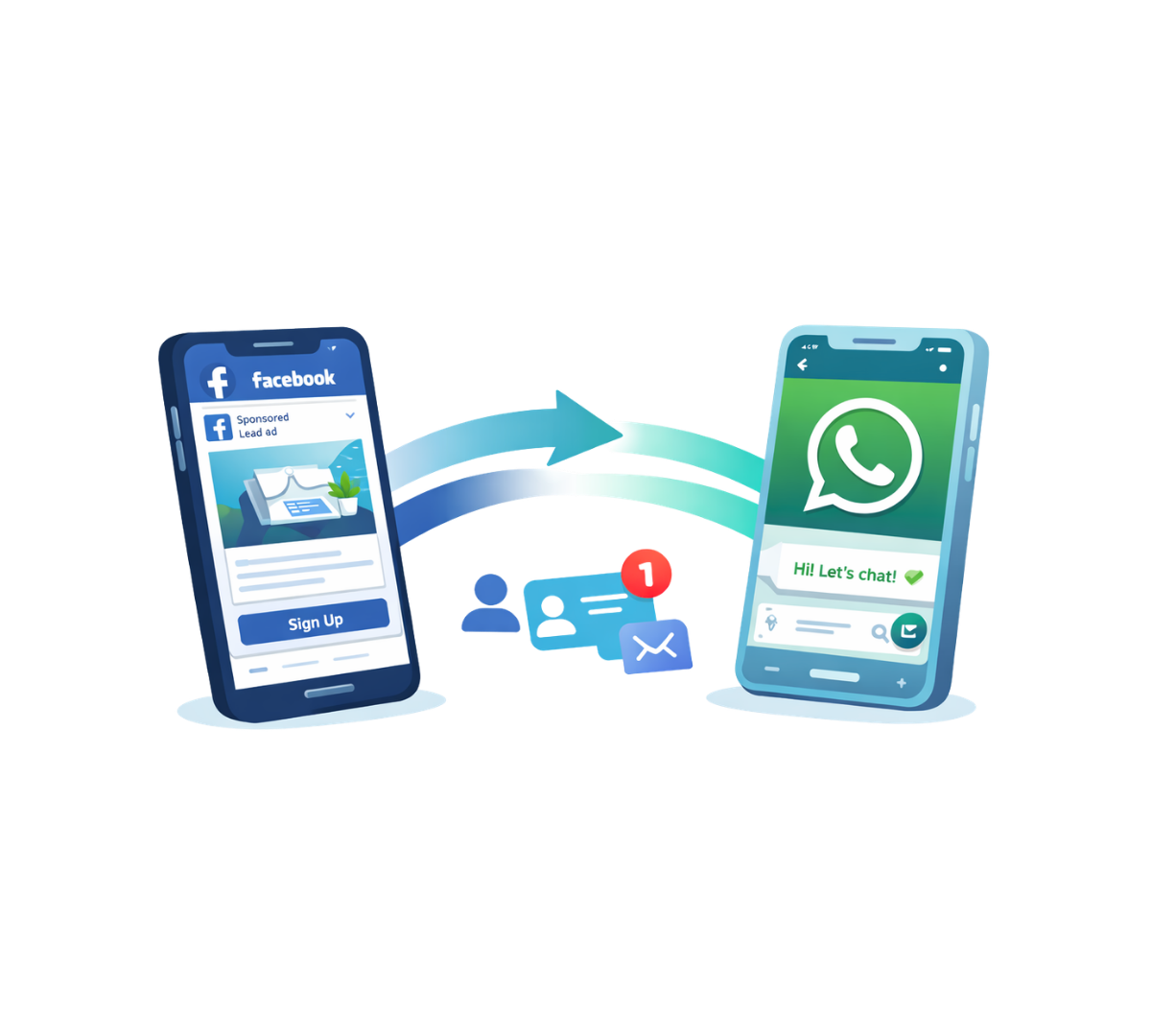
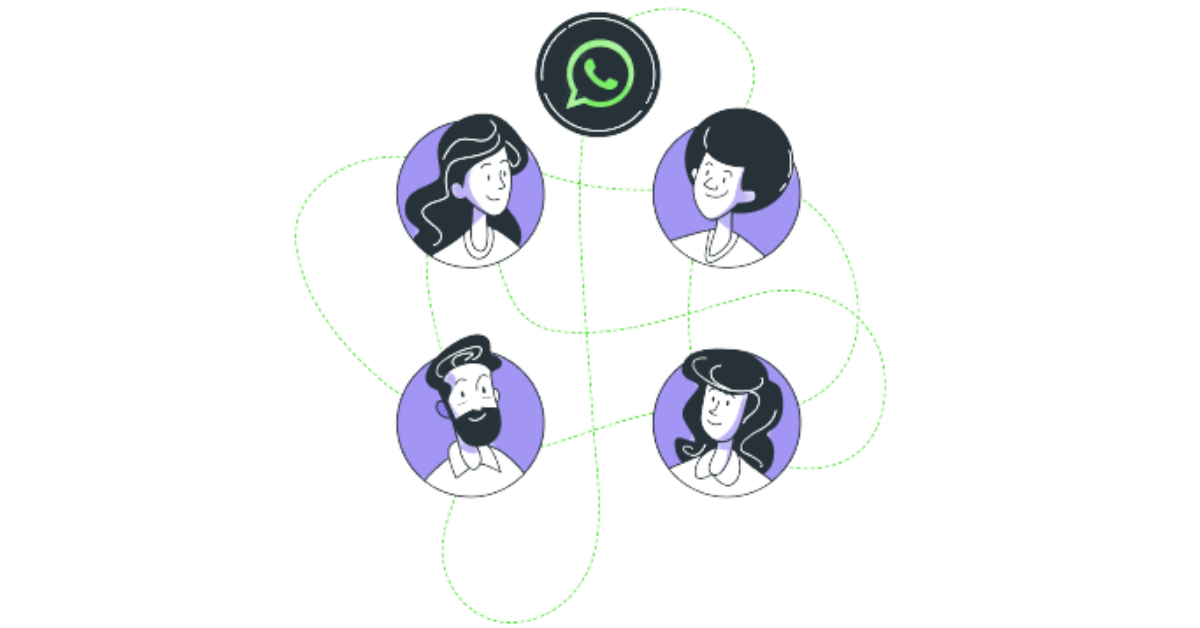
telecrm also connects WhatsApp conversations to the same lead, so calls and messages stay aligned. Even when conversations switch between calls and chats, the full history remains visible. This is especially useful for managers who need a complete view of customer interactions.
Call transcripts and AI summaries for faster review
To save time, AI call summaries capture key points from each conversation. Reps and managers can quickly understand what was discussed without listening to entire recordings, while still having the option to deep dive when needed.
Automated call recording that doesn’t disrupt selling
All of this runs on automated call recording, without adding extra steps to the sales process. Context is preserved quietly in the background, allowing teams to focus on closing deals.

With simple, nominal pricing, telecrm brings CRM, call recording and conversation history together in a single platform designed so teams stay aligned, managers stay informed and customers experience more consistent conversations.
Sales call recording isn’t just about watching over your team, but it’s also about understanding what’s really happening in your team’s sales calls. When calls are recorded, teams can stop guessing and actually start learning.
Sales managers can listen to calls, give clear feedback and coach sales reps by going back to real conversations and pointing out the small moments that made the difference in the final outcome. Sales reps, on the other hand, don’t have to stress about note-taking or forgetting details with tools or software that offer performing multiple tasks simultaneously.
With past calls and call transcripts to look back on, it becomes easier to improve sales closing techniques, handle objections better and keep deals moving forward.
At the end of the day, call recording supports better sales habits. It brings clarity, consistency and accountability to the sales process, helping teams turn everyday conversations into better results.
Sales call recording delivers real results when it’s tied to follow-ups, coaching and deal context.
telecrm brings all of that together in one place. To see it in action, book a demo now!
© Copyright 2026 telecrm.in - All Rights Reserved • Privacy Policy • T&C

© Copyright 2025 Telecrm.in - All Rights Reserved • Privacy Policy • T&C